Tag: Statistics

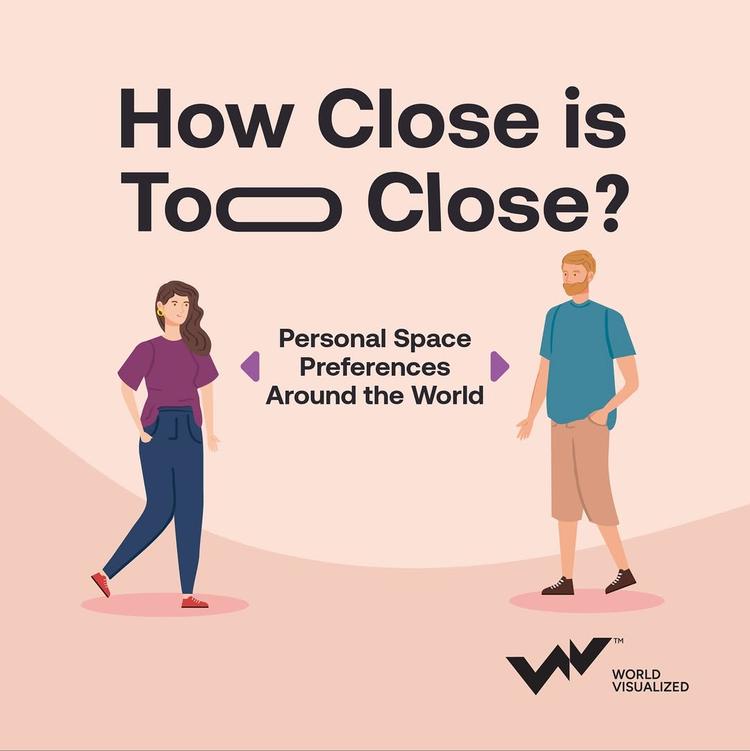
A groundbreaking 2024 study involving 650,000 participants from 196 countries has unveiled intriguing insights into how much personal space people prefer during social interactions. The findings highlight cultural differences in physical proximity, offering a fascinating look at how people navigate personal boundaries worldwide.

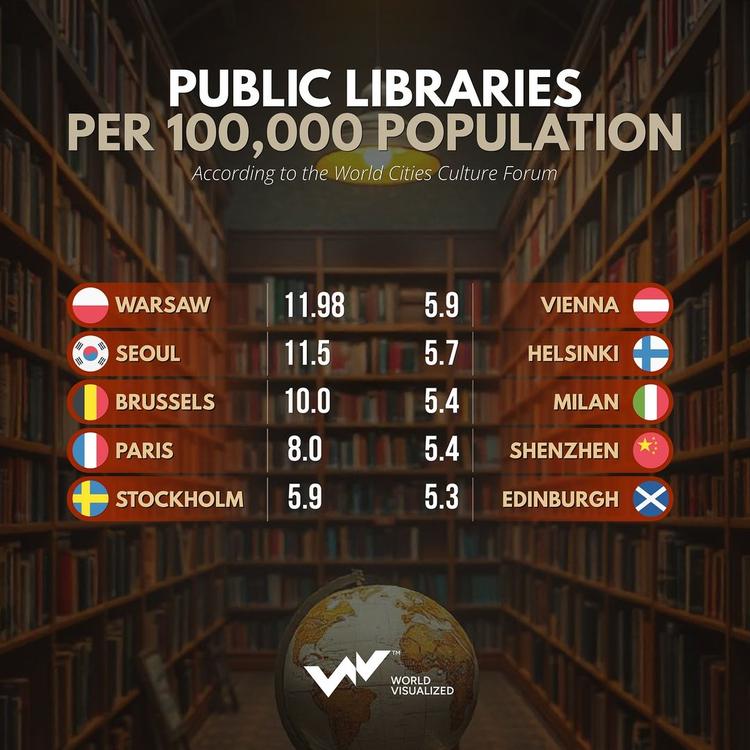
Public libraries serve as pillars of education, culture, and community engagement, and some cities stand out for their exceptional commitment to fostering access to knowledge and cultural enrichment. From Warsaw’s post-war transformation to Seoul’s bustling library programs, these examples illustrate the enduring impact of libraries worldwide.
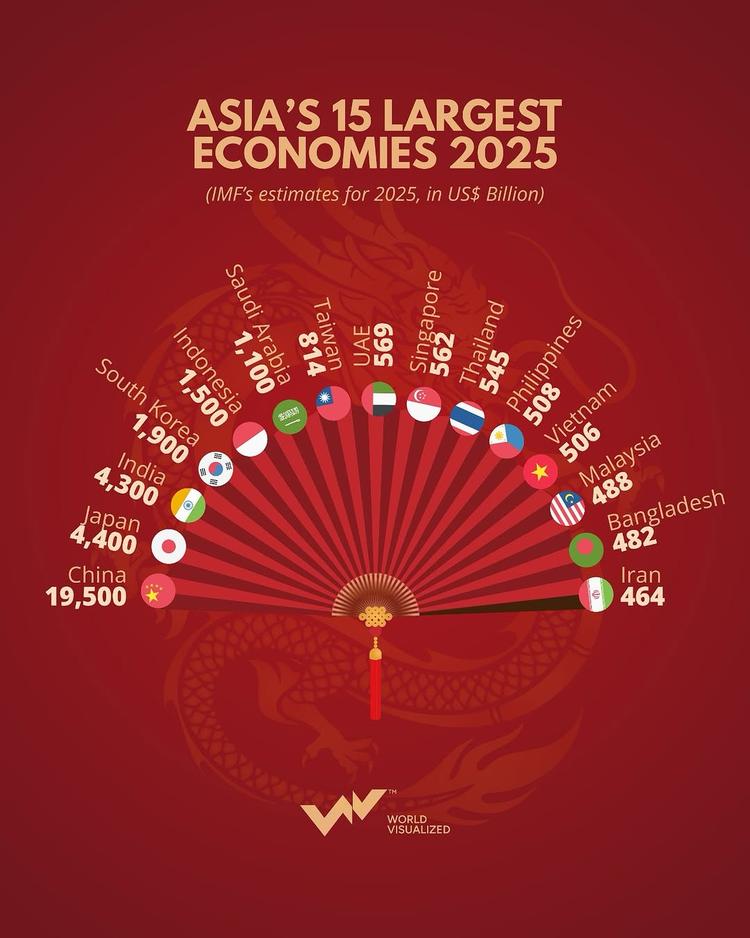
Indonesia is set to lead the Southeast Asian region with a projected economy of $1.5 trillion, positioning itself as a major economic powerhouse, according to IMF.



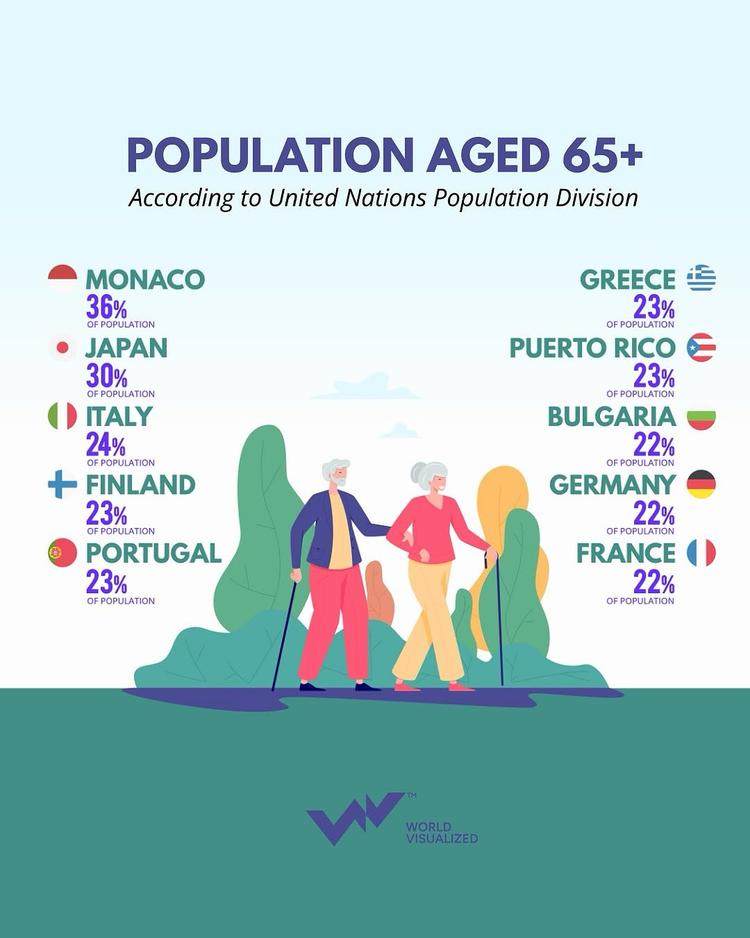
By 2050, an estimated 16% of the global population will be aged 65 or older, doubling the share recorded in 2022, according to the United Nations Population Division. This dramatic demographic shift reshapes societies worldwide, with Monaco leading the way. In the tiny European principality, 36% of the population is aged 65 or older, the highest proportion globally.

A recent analysis of the World Values Survey (2017–2022) has revealed significant differences in beliefs about the afterlife across the globe, with religious traditions playing a major role in shaping public views. According to the findings, countries with strong Islamic and Christian traditions show notably high levels of belief in life after death, while secular nations report much lower belief rates.