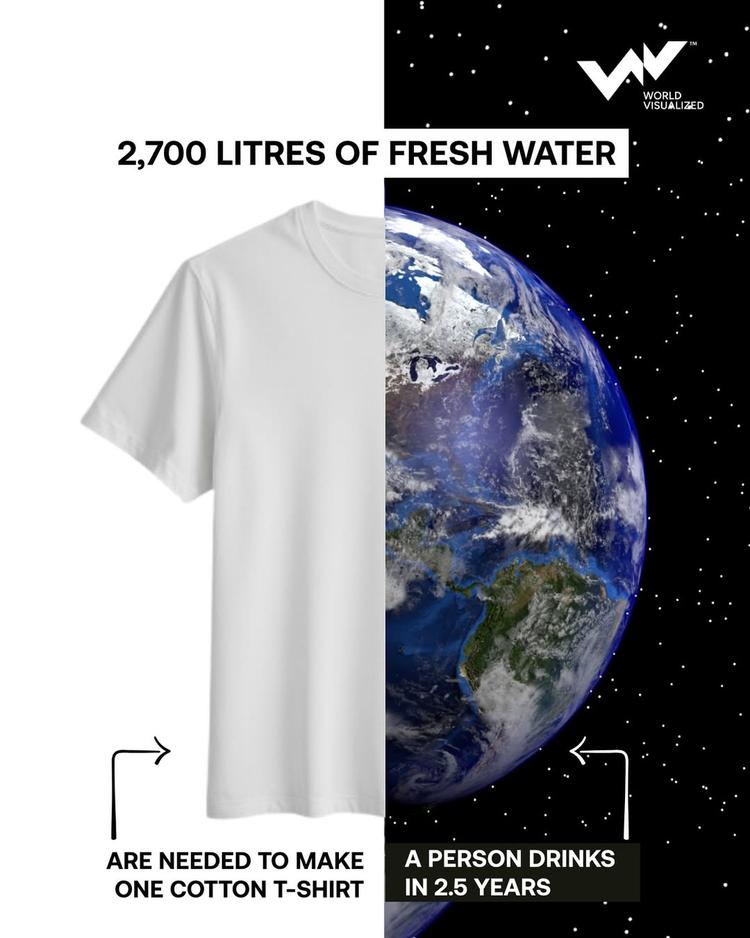
When you pick up a simple cotton T-shirt, you probably don’t think about water. But behind that soft, everyday fabric is surprisingly 2,700 litres of fresh water.
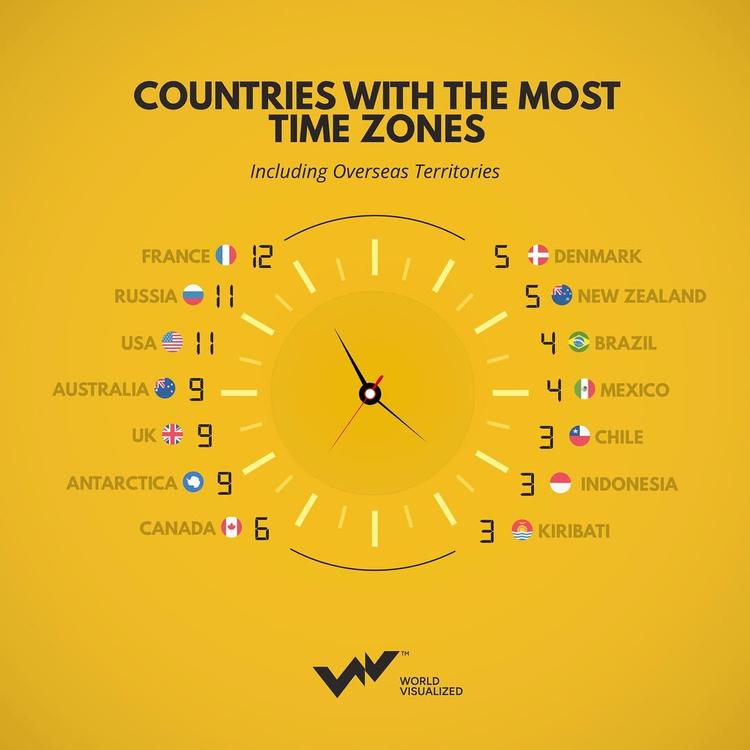
The division of the world into time zones reflects not only geography but also the reach of nations with far-flung territories. France holds the distinction of leading the world in time zones, a testament to its global territorial presence.
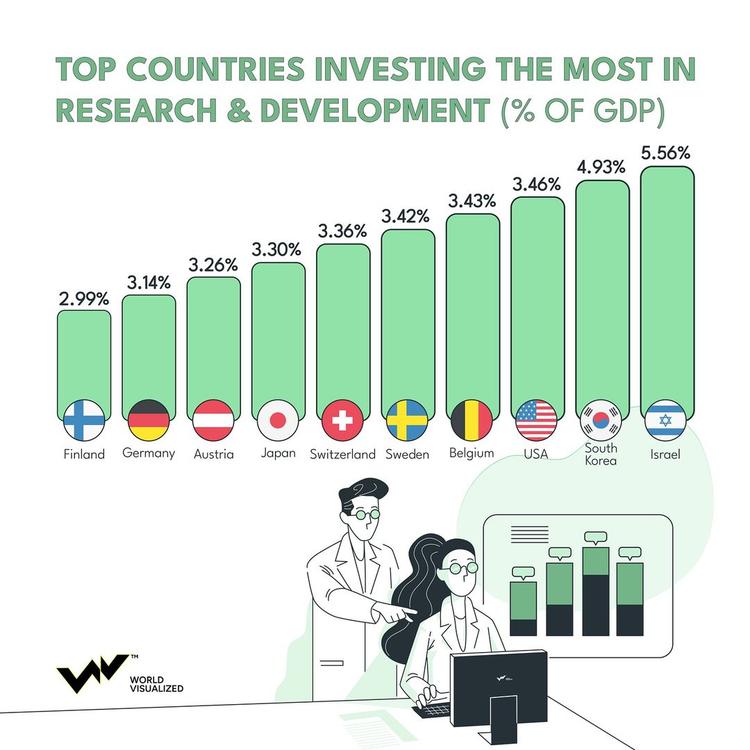
The latest research from the OECD reveals the leading global countries in research and development.
The availability of hospitals in a nation is influenced by a mix of geographic, economic, and healthcare factors. Here’s a closer look at the trends shaping hospital distribution worldwide based on data from the World Bank.
The Earth we live on is far from a solid, uniform mass. Instead, it’s an intricate structure with layers that vary in thickness, composition, and extreme temperatures.
Beyond fingerprints, eye colour is another unique and fascinating aspect of our identity. Eye colour is determined by the amount of melanin in the iris, which can result in a range of hues, each with its own geographical and demographic distinctions.
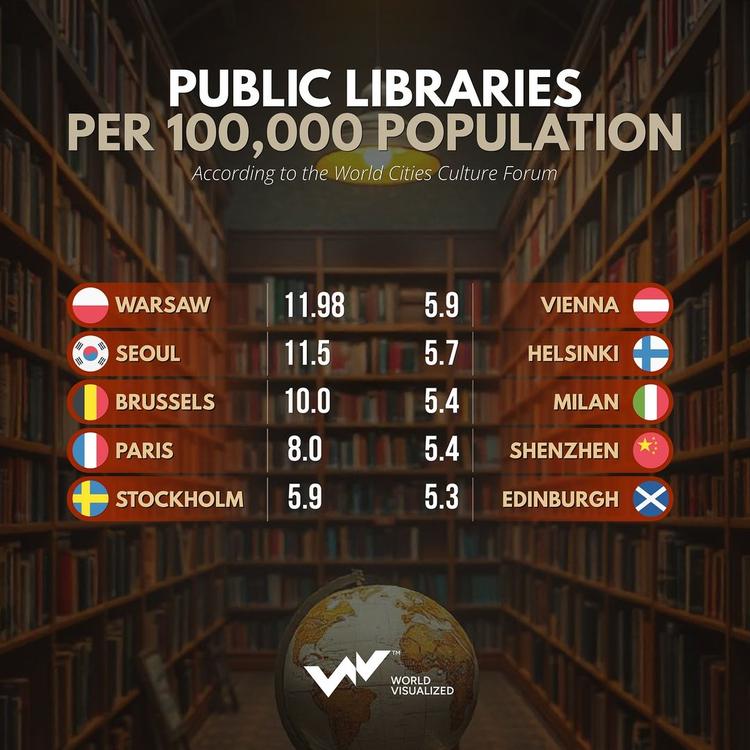
Public libraries serve as pillars of education, culture, and community engagement, and some cities stand out for their exceptional commitment to fostering access to knowledge and cultural enrichment. From Warsaw’s post-war transformation to Seoul’s bustling library programs, these examples illustrate the enduring impact of libraries worldwide.
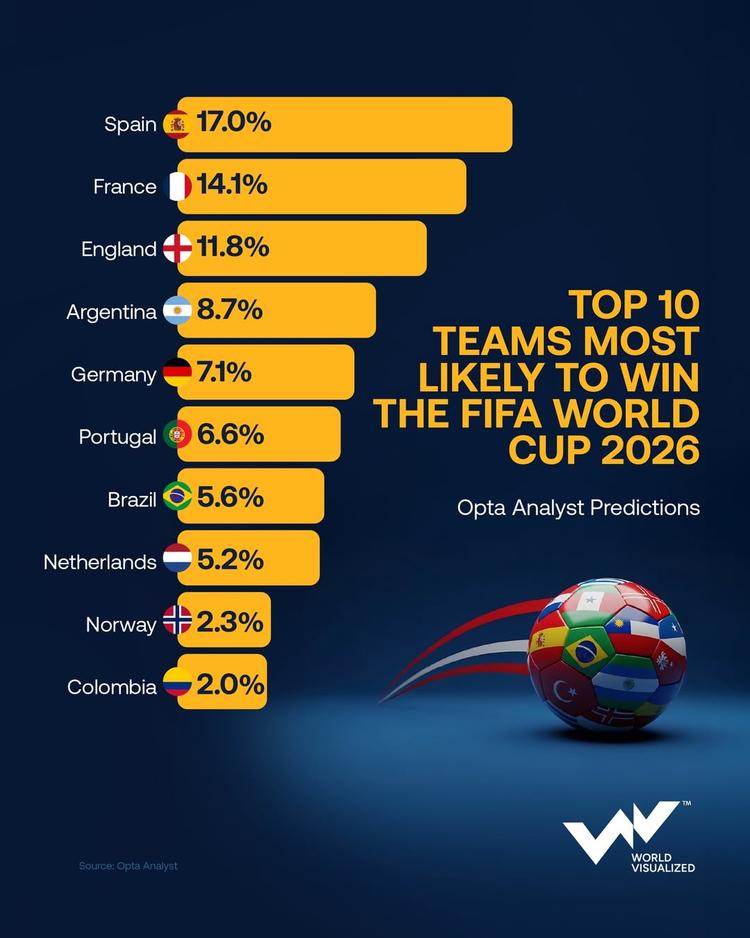
Spain have emerged as the early favourites to win the 2026 FIFA World Cup, according to data-driven forecasts from Opta Analyst, which place the European side ahead of traditional powerhouses France and England.
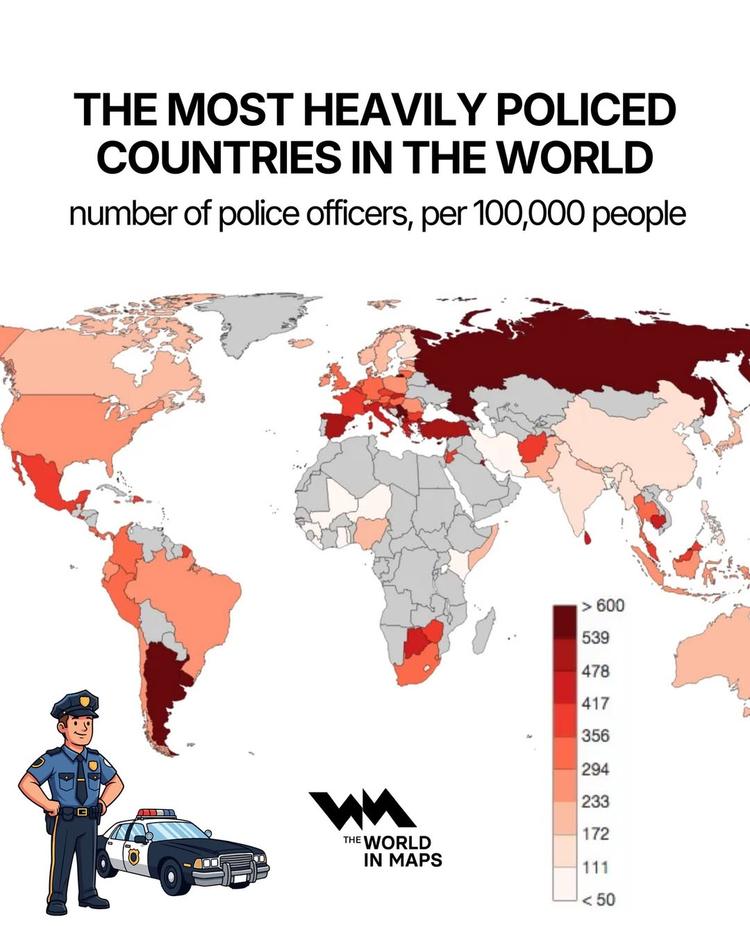
Policing levels vary widely across the world, and the differences say a lot about how governments approach security, control, and public order.
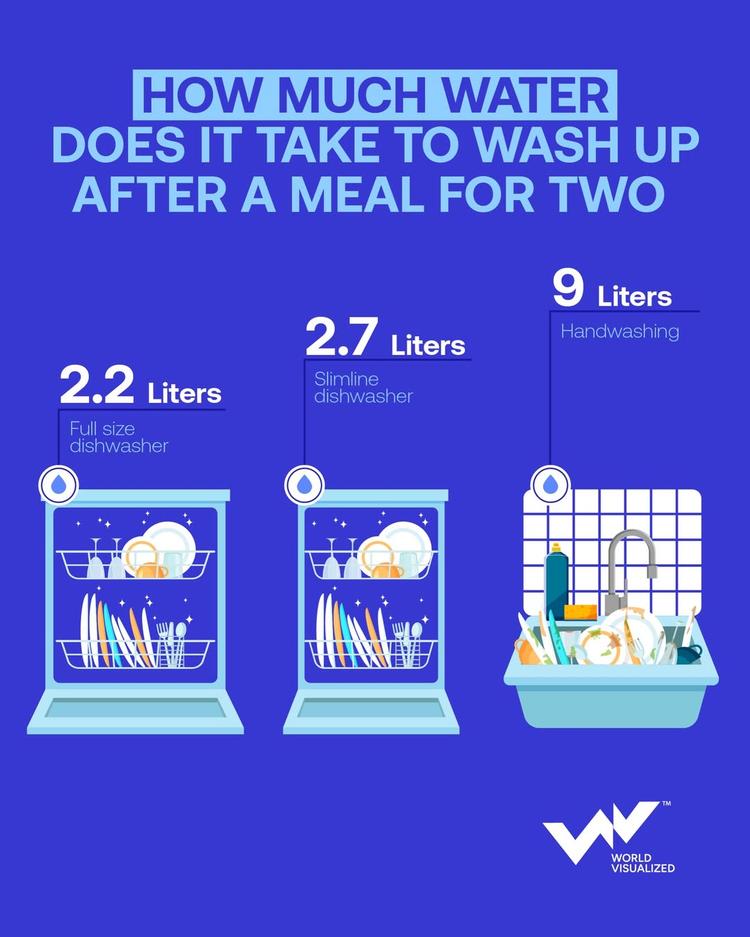
If you’ve ever stood at the sink scrubbing plates after dinner, you might assume hand-washing uses the least water. But the latest figures suggest otherwise.
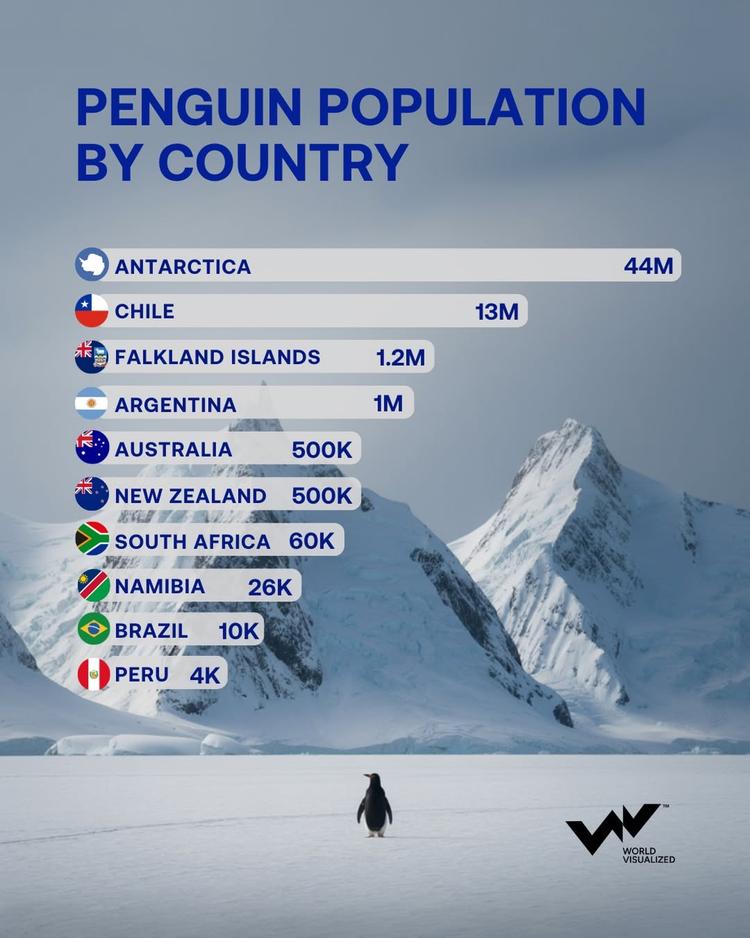
Antarctica usually comes to mind when people think of penguins. That instinct is right, but it is only a part of the story. Penguins are much more geographically widespread, with significant populations across South America, Africa, and Oceania.
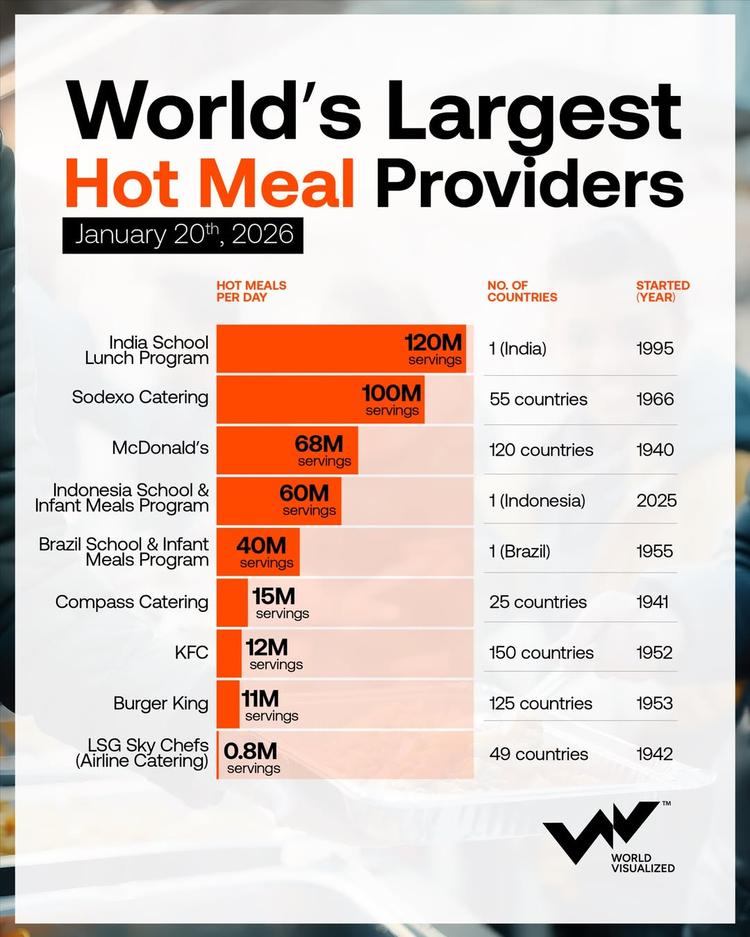
Global fast-food brands usually come to mind when people think of mass food provision, but new data shared in policy and food security discussions around Davos and the World Economic Forum tells a very different story.
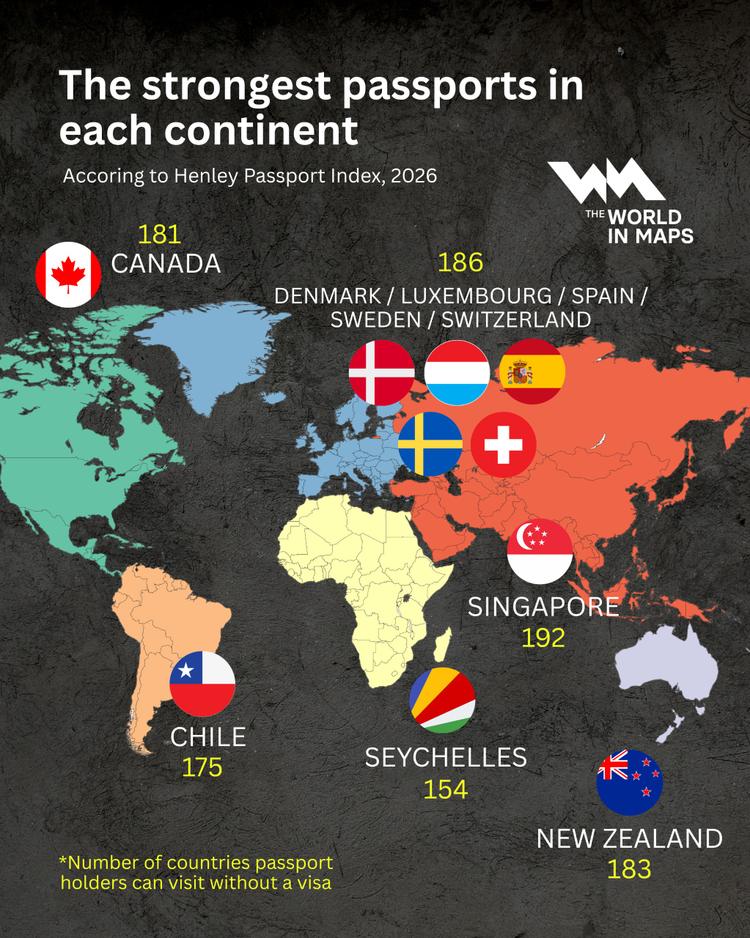
A passport is more than a travel document. For millions of people, it quietly shapes the opportunity of where they can work, study, invest, or even dream of going next. Some passports open doors almost everywhere. Others come with long visa queues and paperwork.
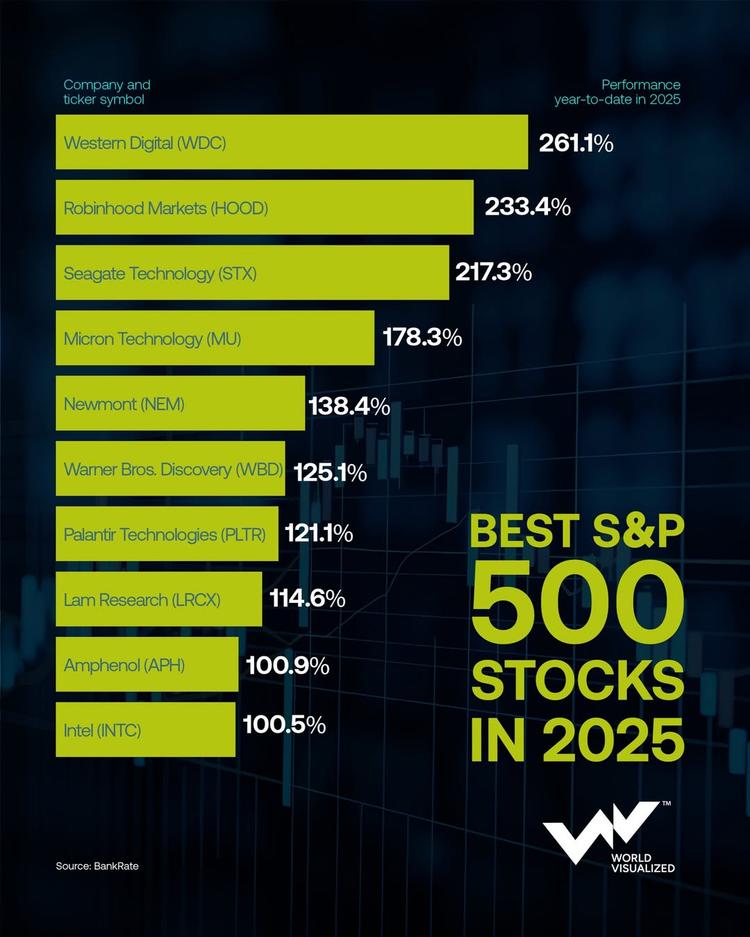
2025 looks like another year dominated by Big Tech, but available data on the best-performing S&P 500 stocks year-to-date spells a completely different reality.
China maintained its position as the world’s largest goods trader in 2024, with total imports and exports reaching an impressive $6.1 trillion, marking a 5% increase from the previous year, according to data from the General Administration of Customs (GAC). The steady growth underscores China’s resilience in global trade despite economic uncertainties and shifting geopolitical dynamics.
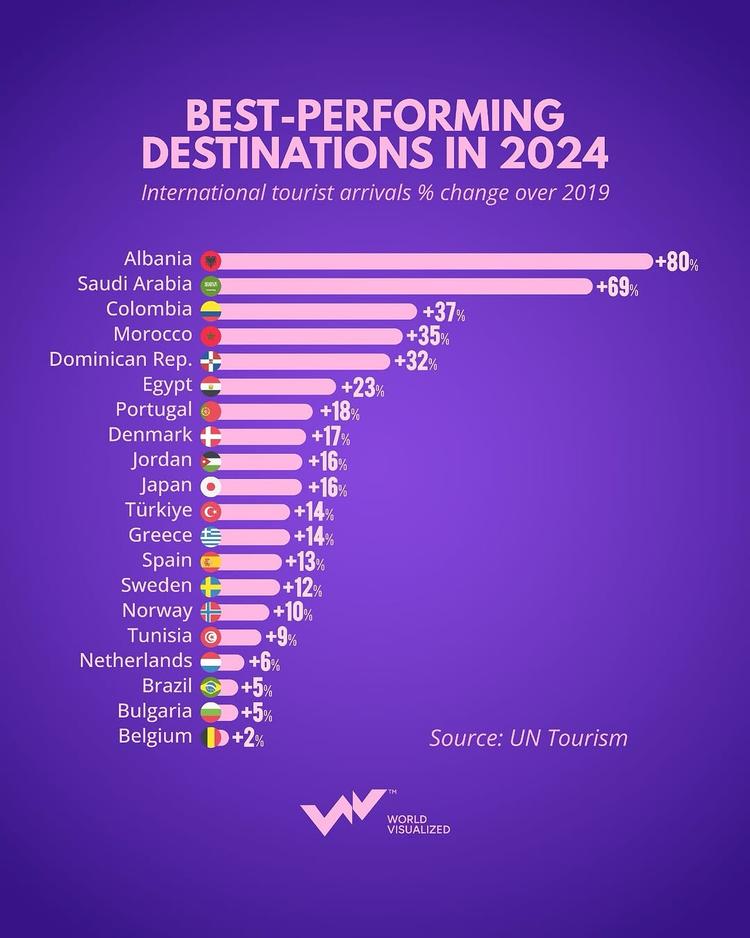
International tourism has remarkably recovered four years after the COVID-19 pandemic upended global travel. In 2024, international arrivals reached 99% of 2019 levels, marking an 11% increase from 2023, with over 1.4 billion travelers crossing borders. This resurgence underscores the resilience of the travel industry and the growing demand for international exploration.
Iceland has been crowned the safest country in the world for the 14th year in a row, according to the Global Peace Index (GPI) 2024 by Vision of Humanity. This Nordic nation has consistently ranked high in terms of peace and safety, and it's not hard to see why.
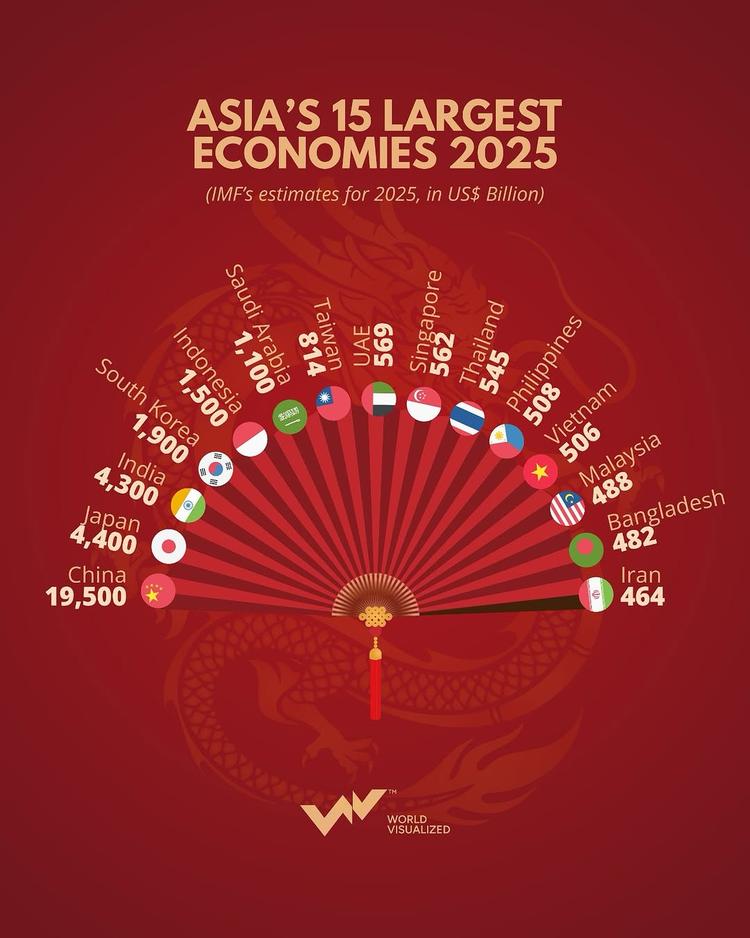
Indonesia is set to lead the Southeast Asian region with a projected economy of $1.5 trillion, positioning itself as a major economic powerhouse, according to IMF.
Switzerland continues to lead the world in postal service efficiency, securing the top position for the eighth consecutive year. According to the Universal Postal Union (UPU), SwissPost has demonstrated remarkable adaptability in responding to the challenges posed by declining letter volumes while capitalizing on the rise of e-commerce.
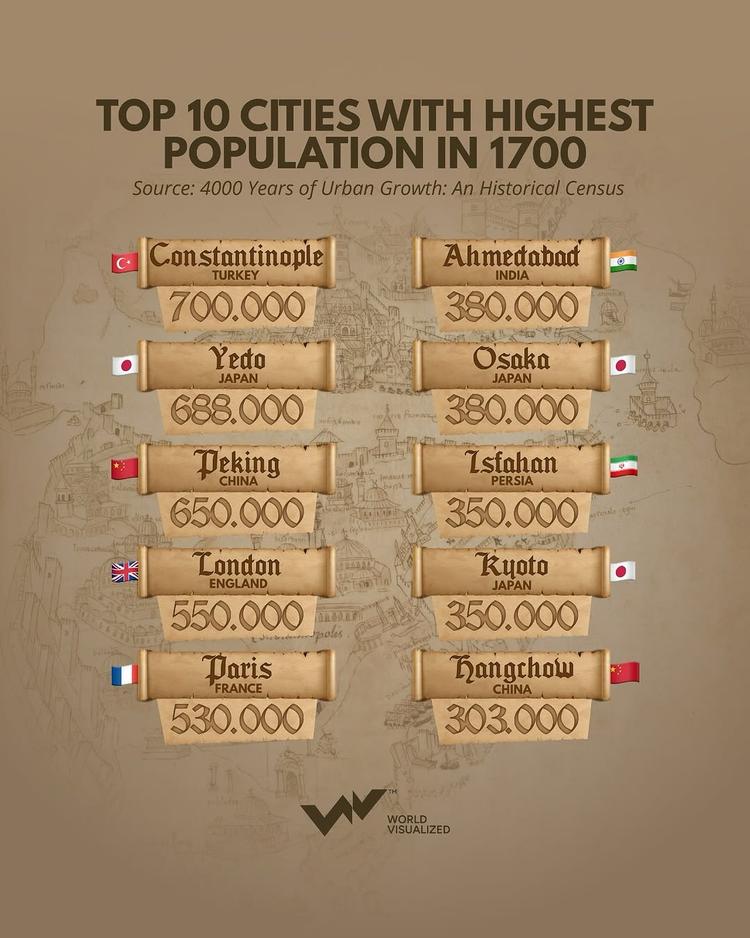
Cities have always been in flux, shaped by trade, industry, and geopolitics. From ancient commercial hubs to modern megacities, urban centres have expanded and adapted in response to economic and technological changes. But what forces have driven these shifts, and what can we expect in the future?