Tag: Russia
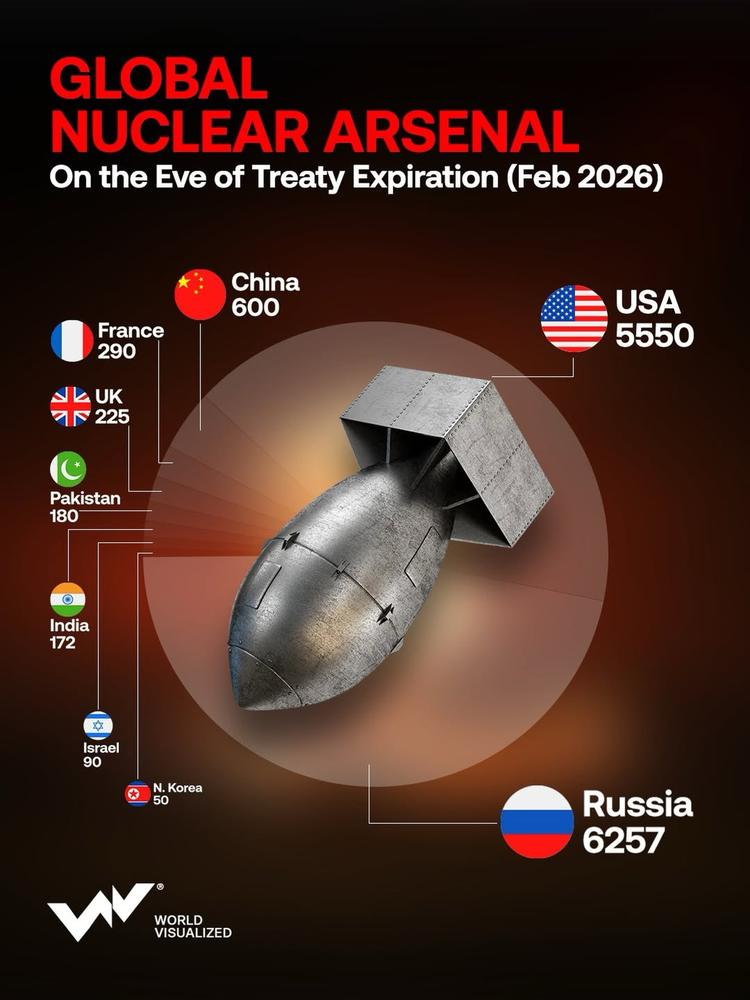
As of February 2026, the global nuclear balance stands at a critical juncture, with the world’s largest nuclear powers holding thousands of warheads just as cornerstone arms-control agreements move towards expiration.
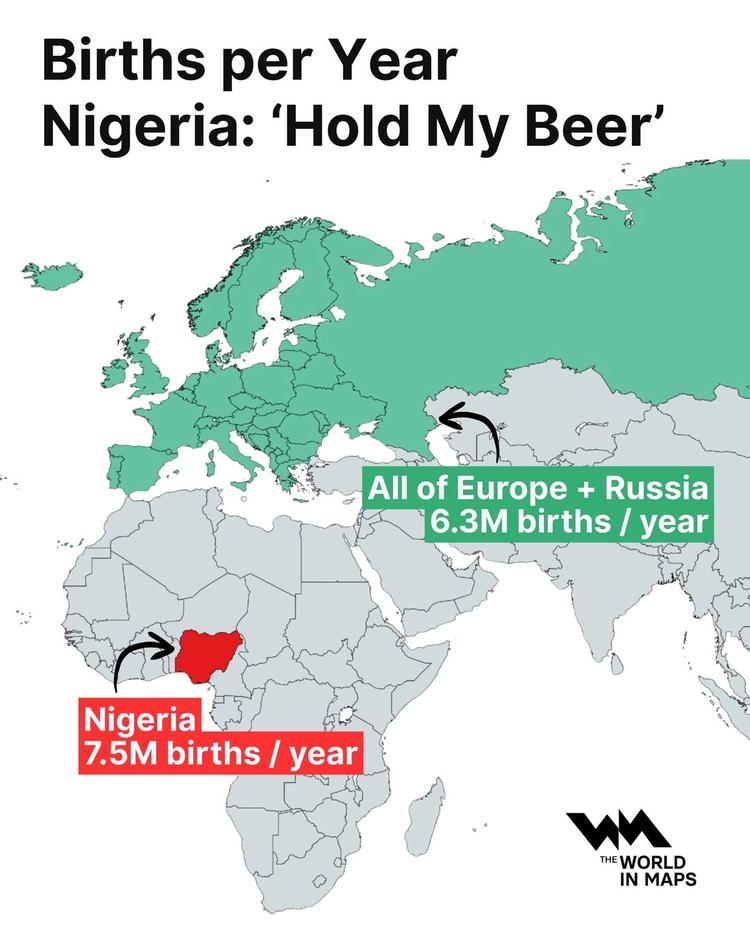
Nigeria, Africa’s most populous nation, is now giving birth to more babies each year than all of Europe plus Russia combined, a milestone that reflects profound global demographic change.
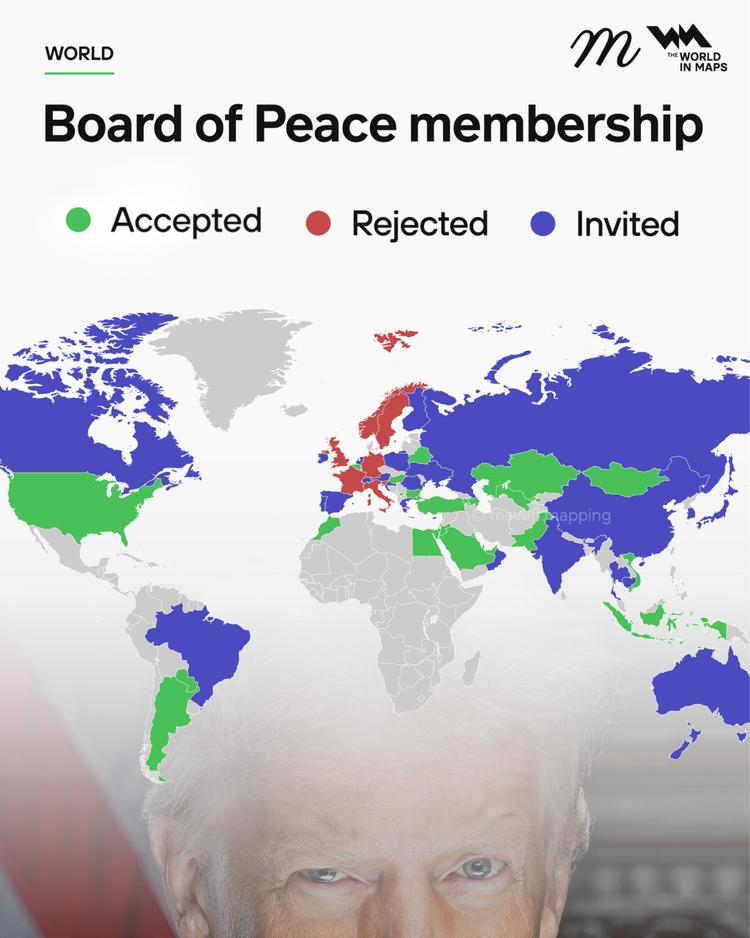
While some countries have accepted or expressed interest in joining Donald Trump’s “Board of Peace”, many traditional US allies have either rejected the proposal outright or declined to participate, raising questions about its credibility and long-term influence.
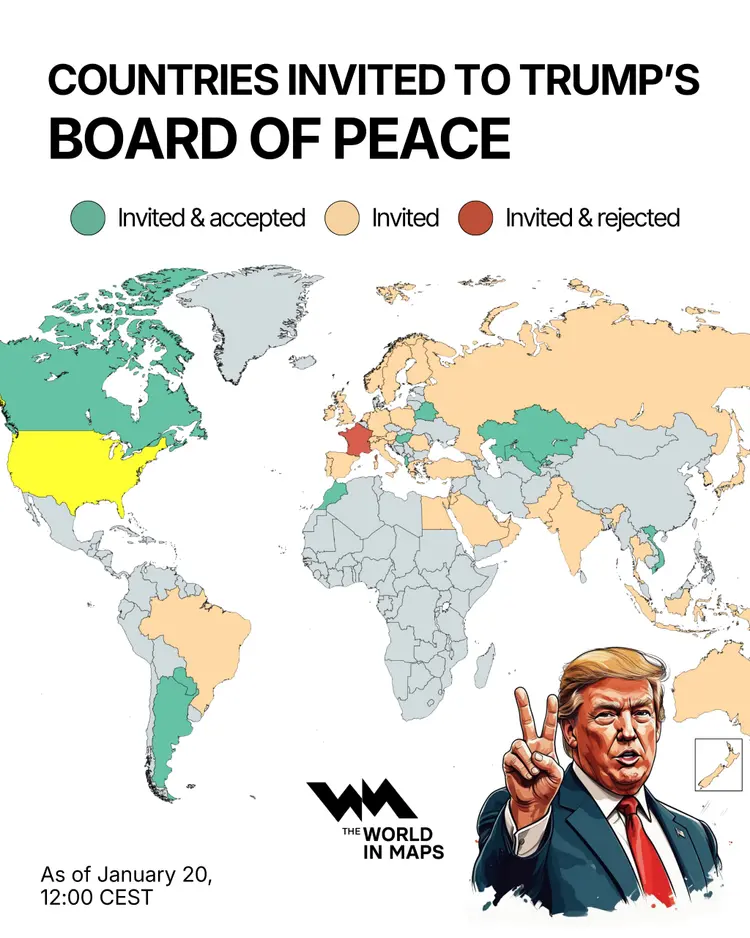
US President Donald Trump’s proposed "Board of Peace' has triggered mixed reactions across the world, with a small group of countries accepting invitations while many others remain undecided or openly sceptical.
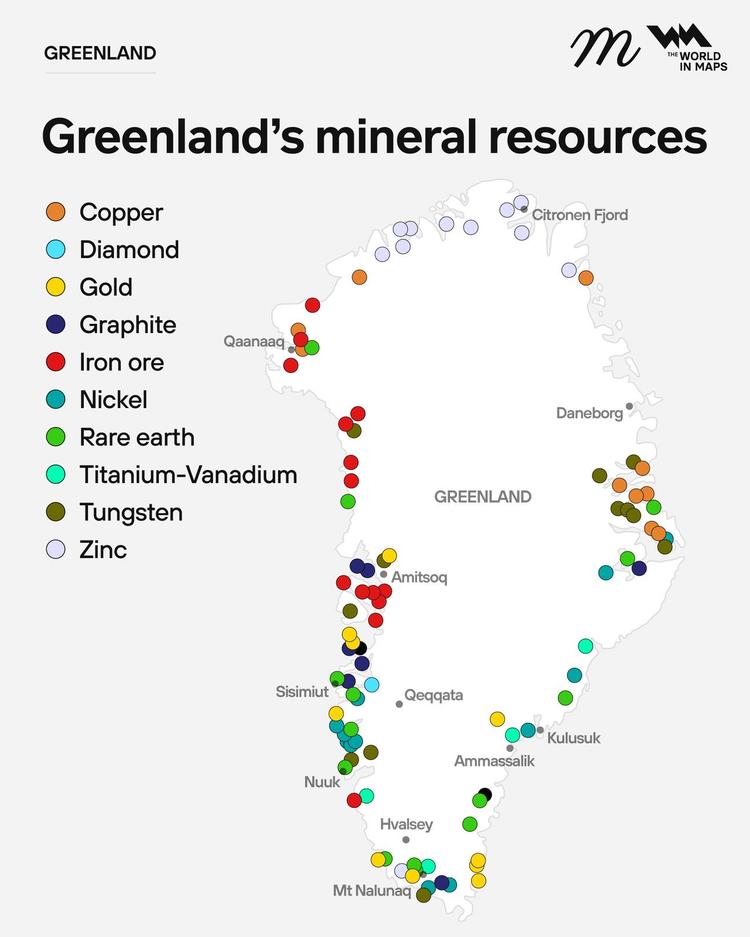
Trump has once again stirred fresh diplomatic tensions in the Arctic as he is pushing for the United States to take control of Greenland.
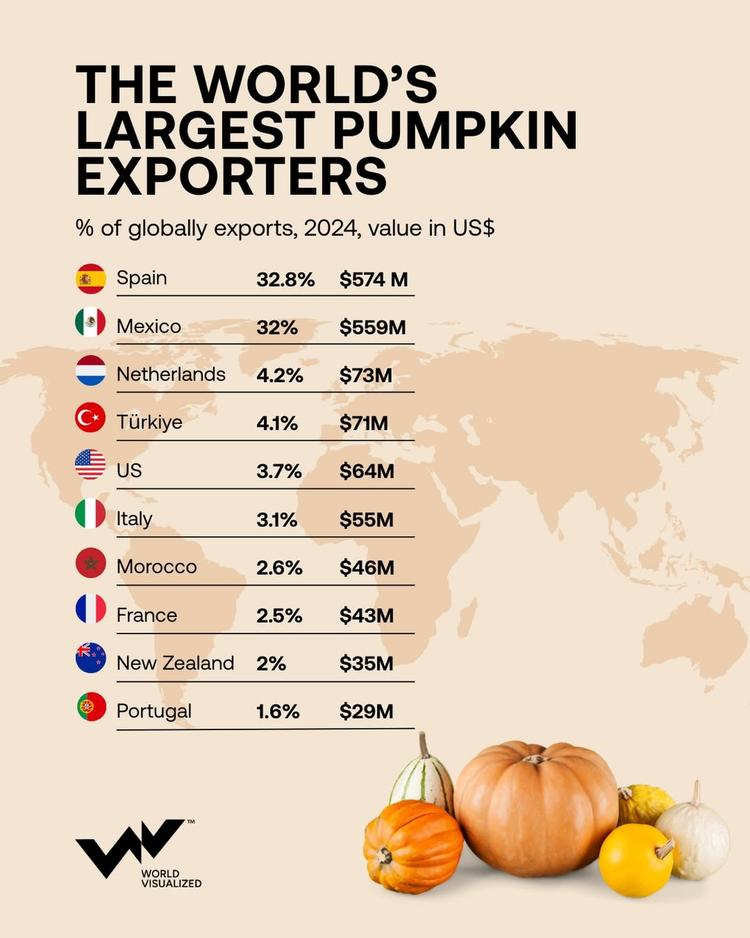
Pumpkins may be most famous during Halloween and Thanksgiving, but the global pumpkin trade is now a serious agricultural business shaping export earnings for several countries.
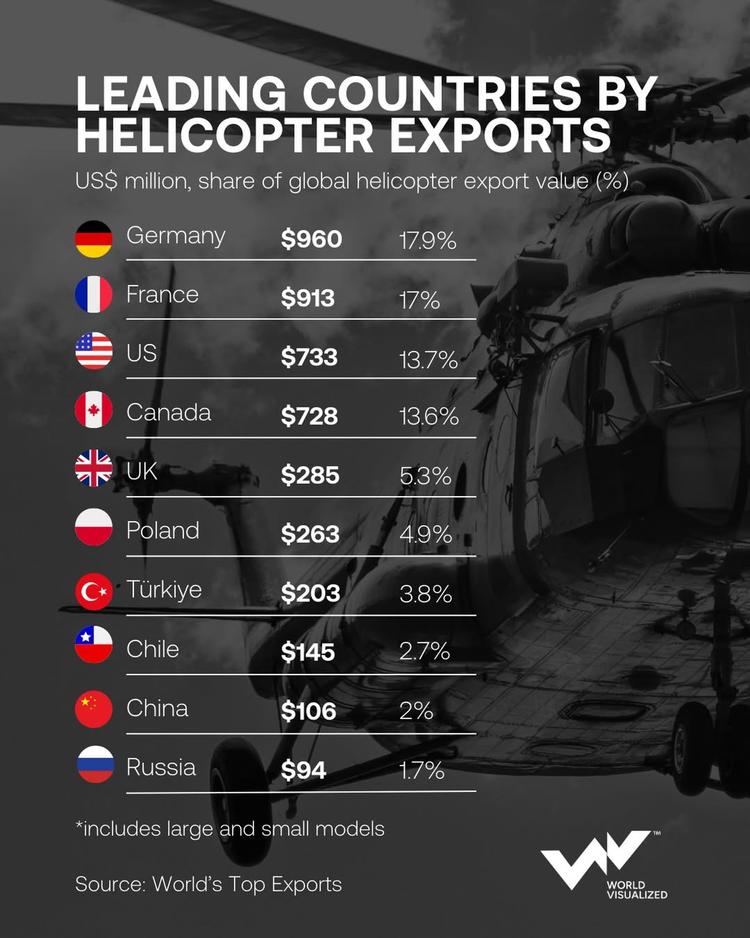
Global defence spending is rising, and as countries modernise their aviation fleets, the international market for helicopters, both military and civilian, is becoming more competitive than ever.
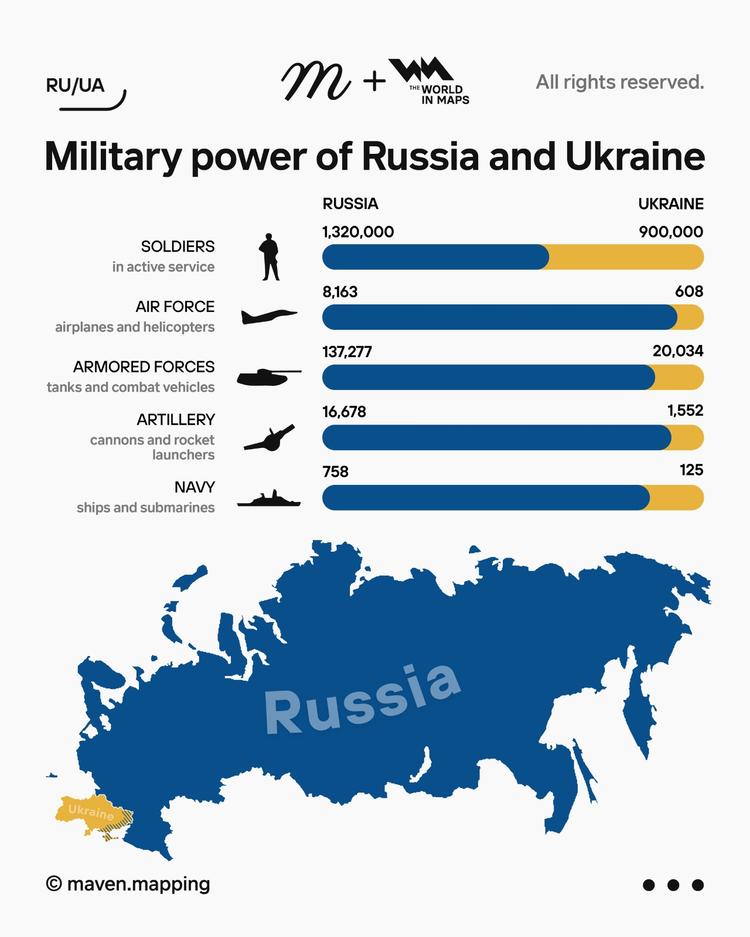
The war between Russia and Ukraine continues to dominate global headlines, and a recent infographic from Maven Mapping highlights a notable contrast in the military capabilities of the two countries.
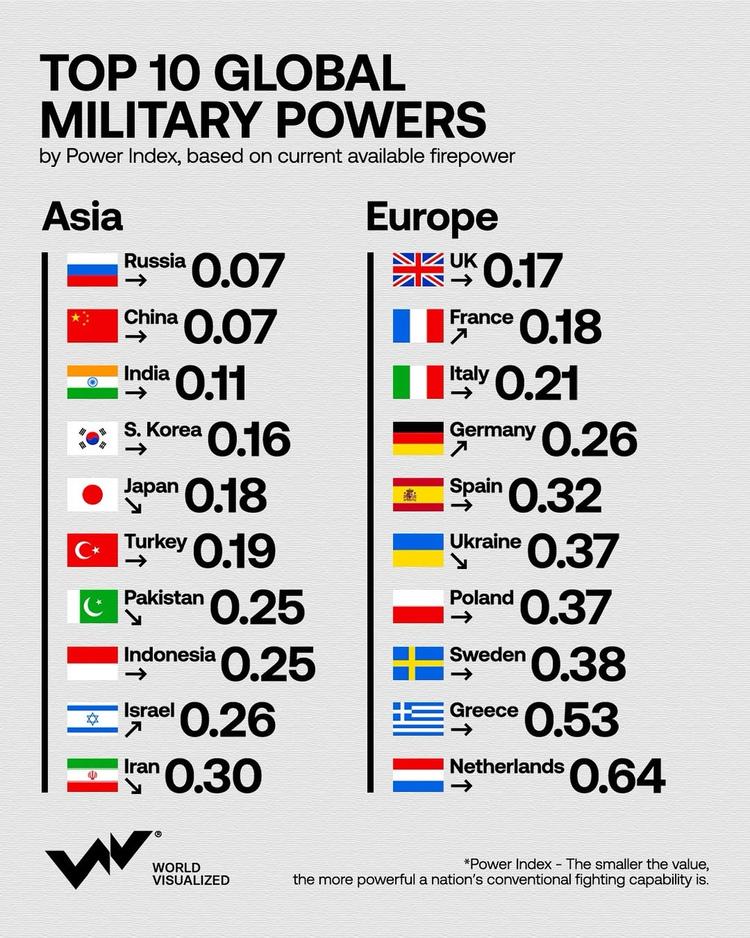
As geopolitical tensions simmer across multiple continents, a new ranking from Global Firepower reveals how conventional military power is concentrated in Asia and Europe in 2025.
Although the world is looking at transitioning to cleaner energy sources, natural gas remains a cornerstone of energy security and economic development.
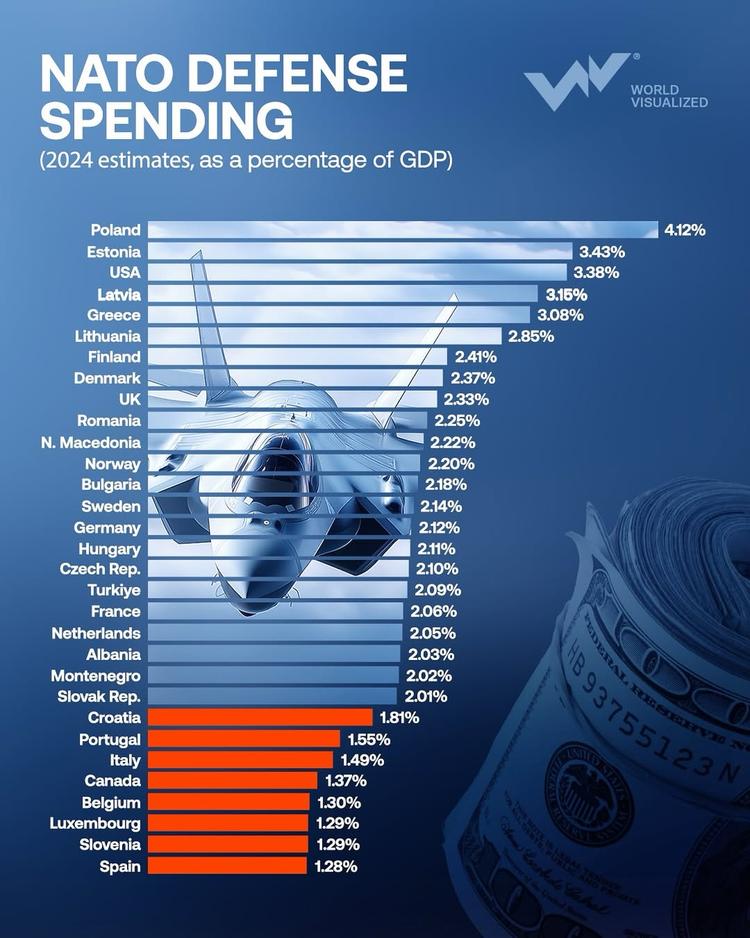
NATO member states this week agreed to raise their defence investment target to 5% of GDP by 2035, replacing the longstanding 2% benchmark set in 2014.
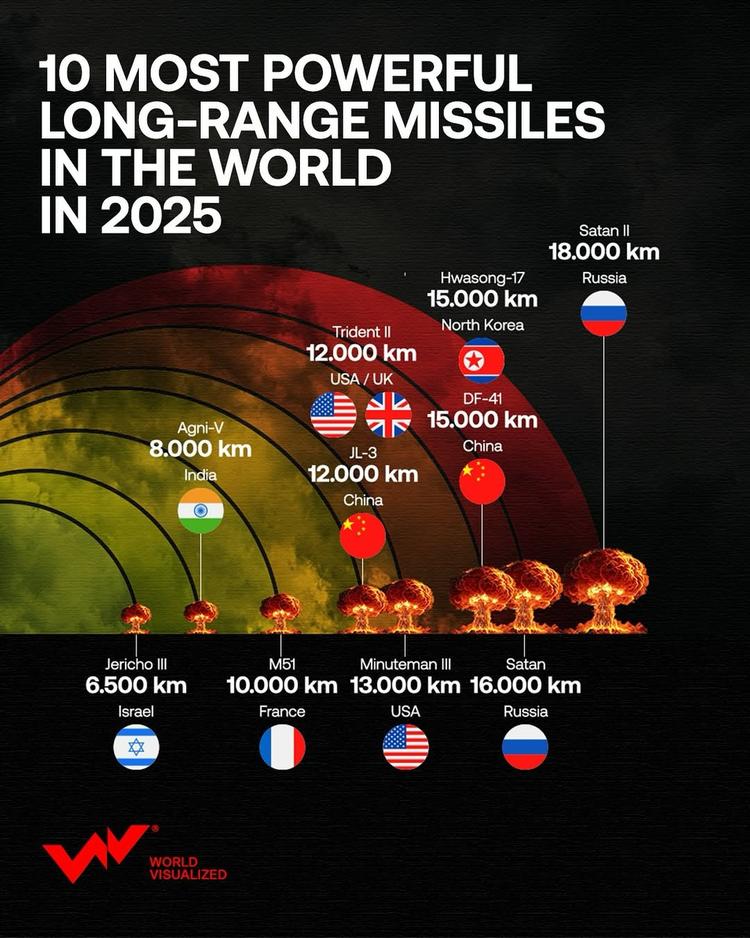
As geopolitical tensions continue to escalate across multiple regions, including the high-stakes April 2025 India-Pakistan standoff and the persistent volatility in the Middle East (Israel, Iran and Gaza), nations are doubling down on their strategic deterrence capabilities.
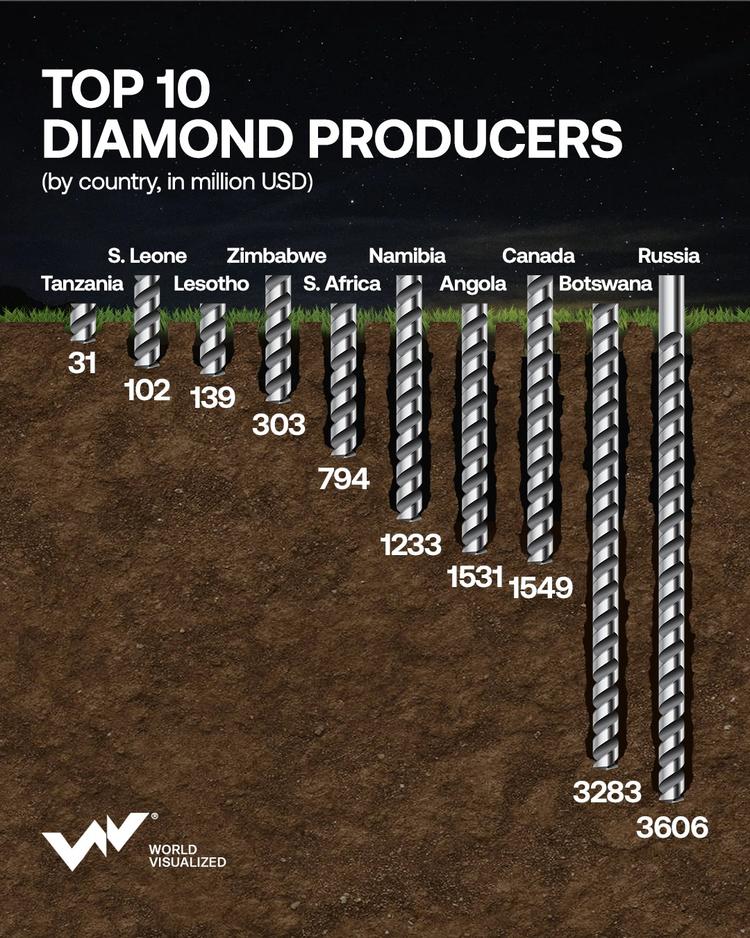
Diamonds are among the most coveted and valuable natural resources globally, and while the average national diamond production value is just over $218 million, the top five producers far exceed this, highlighting an obvious concentration of economic benefit.
Despite geopolitical tensions and environmental concerns, some nations continue to leverage their natural wealth to fuel development and global trade. As usual, some countries stand out for their share and possession of these natural resources.
Russia's biggest fossil fuel importers: Western nations have surprisingly retreated. Stepping into the big shoes are rather unexpected Asian powerhouses amid ongoing conflicts with Ukraine.
In 1885, Tsar Alexander III of Russia sparked a royal tradition that would become one of the most opulent and iconic legacies in the history of art.
As of February 28, 2025, the prospect of the Ukraine war concluding within this year remains uncertain, with varying opinions among global leaders, experts, and the public.
Since 1945, the world has extracted a staggering 3.5 million tonnes of uranium, with Canada emerging as the leading producer.
Alexander Lukashenko, often referred to as "Europe's last dictator," has ruled Belarus for over three decades.