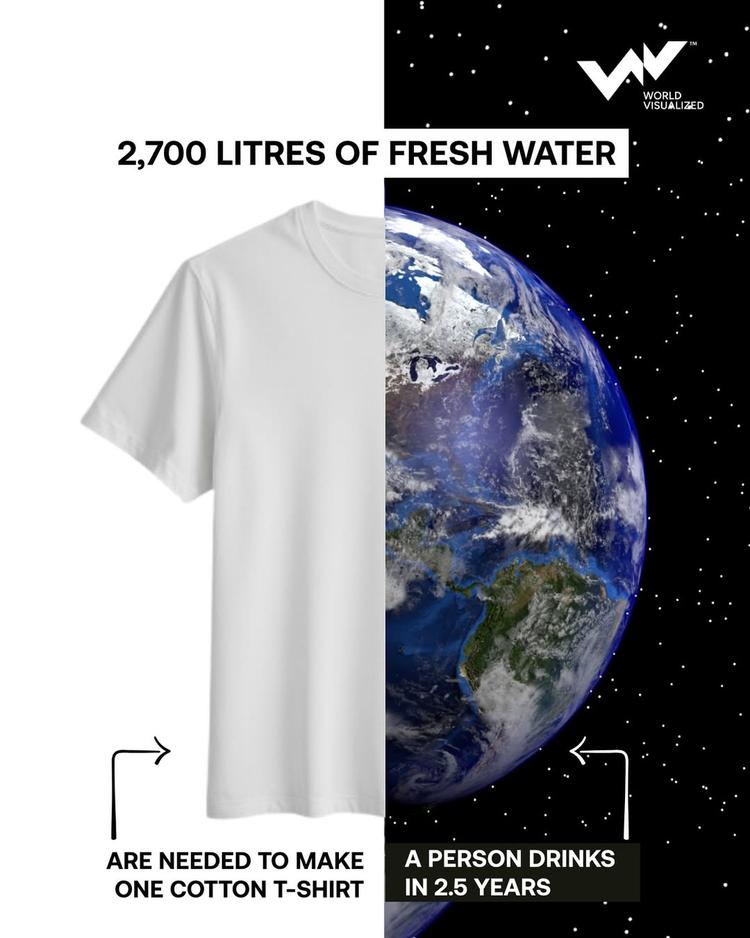
When you pick up a simple cotton T-shirt, you probably don’t think about water. But behind that soft, everyday fabric is surprisingly 2,700 litres of fresh water.
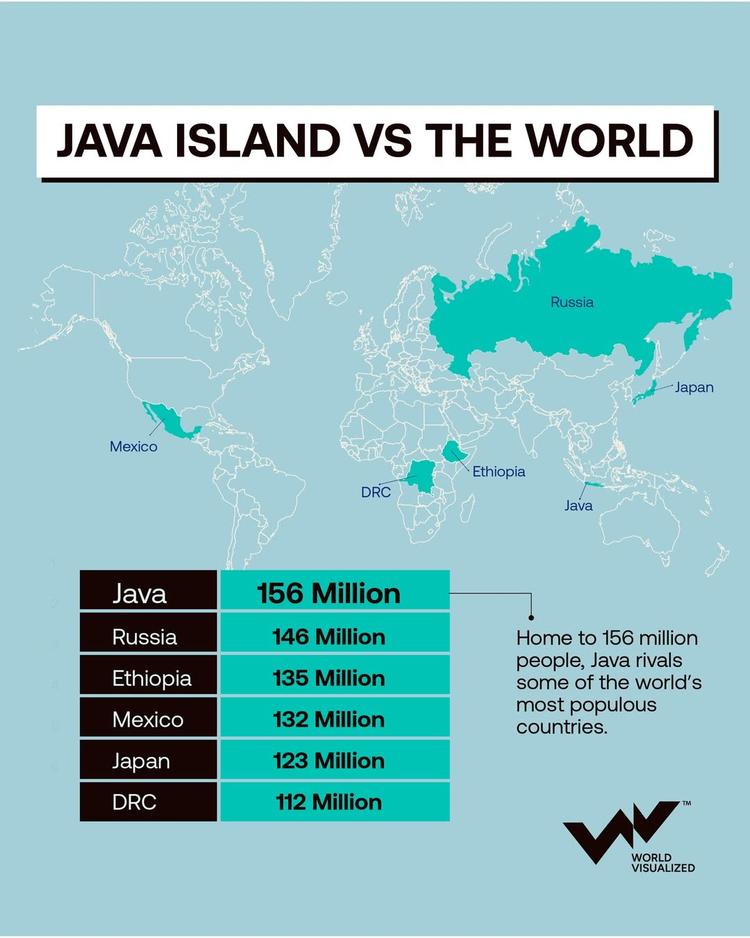
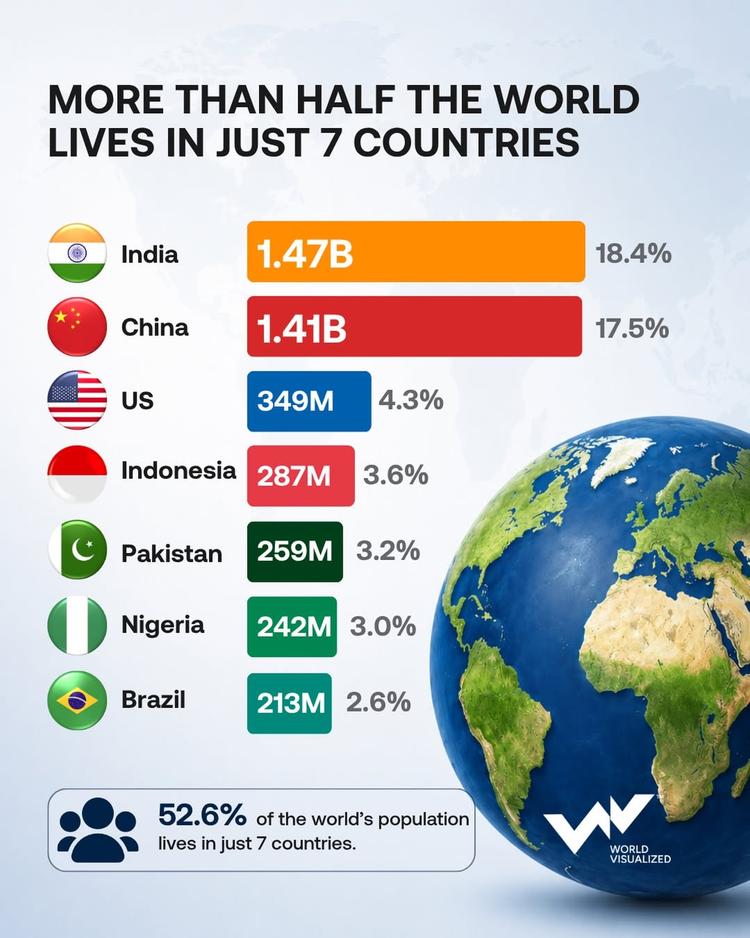
A single island in Indonesia is home to more people than most nations on Earth. Java, Indonesia’s political and economic heartland, has an estimated population of about 156 million people in 2024, making it the most populous island in the world.
Main Points
The availability of hospitals in a nation is influenced by a mix of geographic, economic, and healthcare factors. Here’s a closer look at the trends shaping hospital distribution worldwide based on data from the World Bank.
Main Points
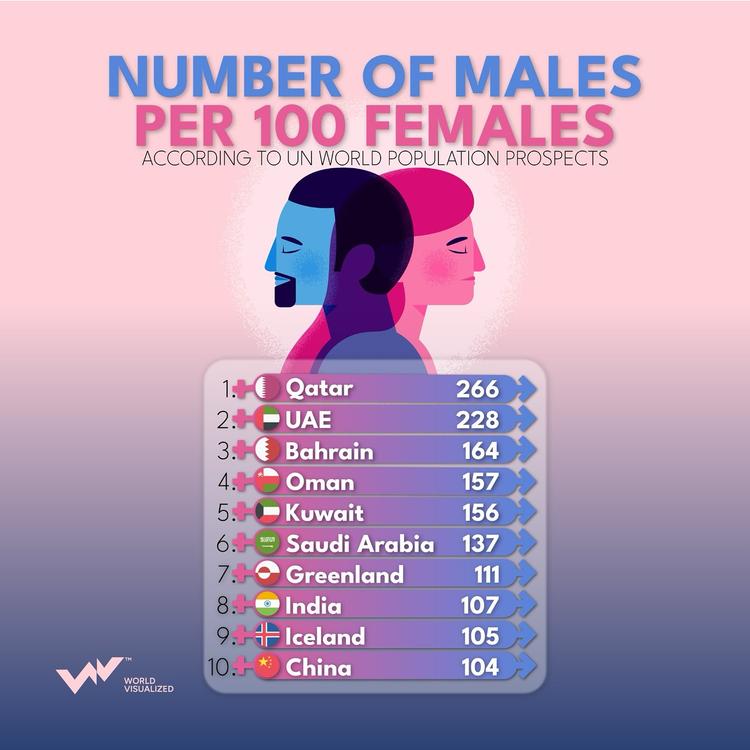
Qatar stands out globally with the highest male-to-female ratio, registering approximately 266 males for every 100 females.
Beyond fingerprints, eye colour is another unique and fascinating aspect of our identity. Eye colour is determined by the amount of melanin in the iris, which can result in a range of hues, each with its own geographical and demographic distinctions.
Main Points
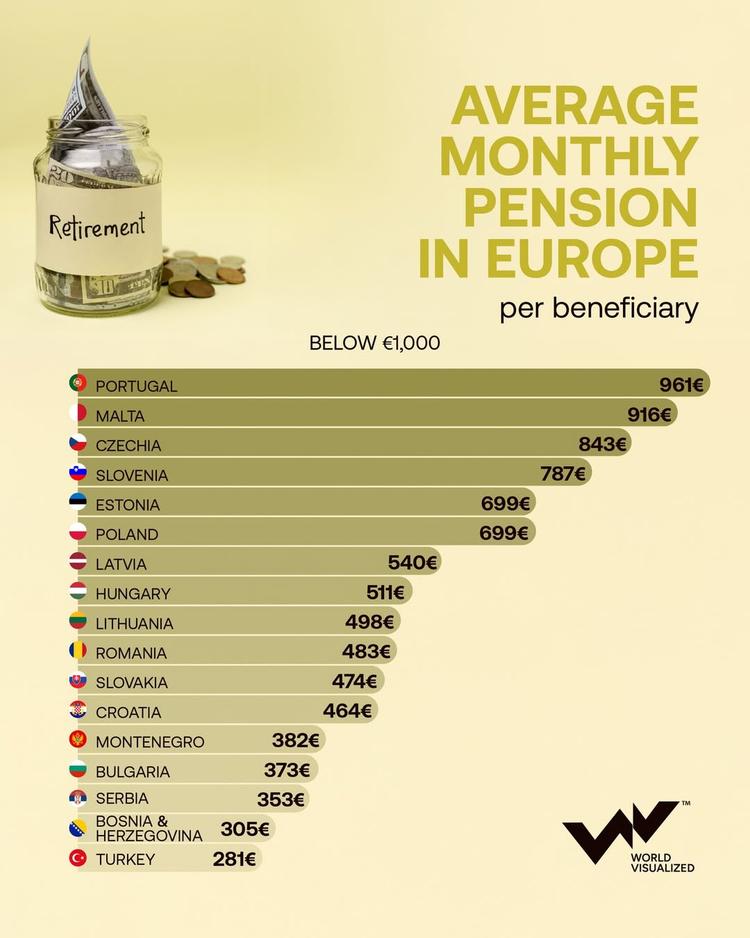
Pension income across Europe remains sharply uneven, with retirees in southern and eastern countries receiving significantly lower monthly payments than their northern counterparts, according to recent data compiled from Eurostat and the OECD.
Cardiovascular disease is one of the leading causes of death across Europe, with the highest mortality rates concentrated in Eastern and Central European countries, according to data from Eurostat and the World Health Organisation (WHO).
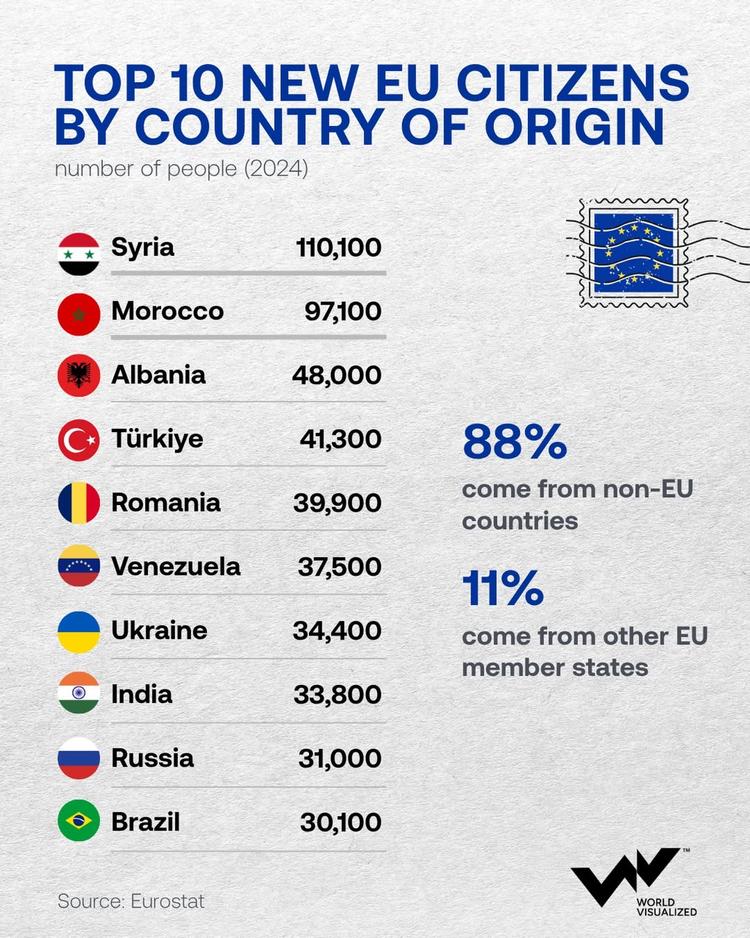
Syrians and Moroccans accounted for the largest shares of new European Union citizenship recipients in 2024, according to newly compiled figures based on Eurostat data, highlighting persistent migration patterns driven by conflict, economic mobility, and regional ties.
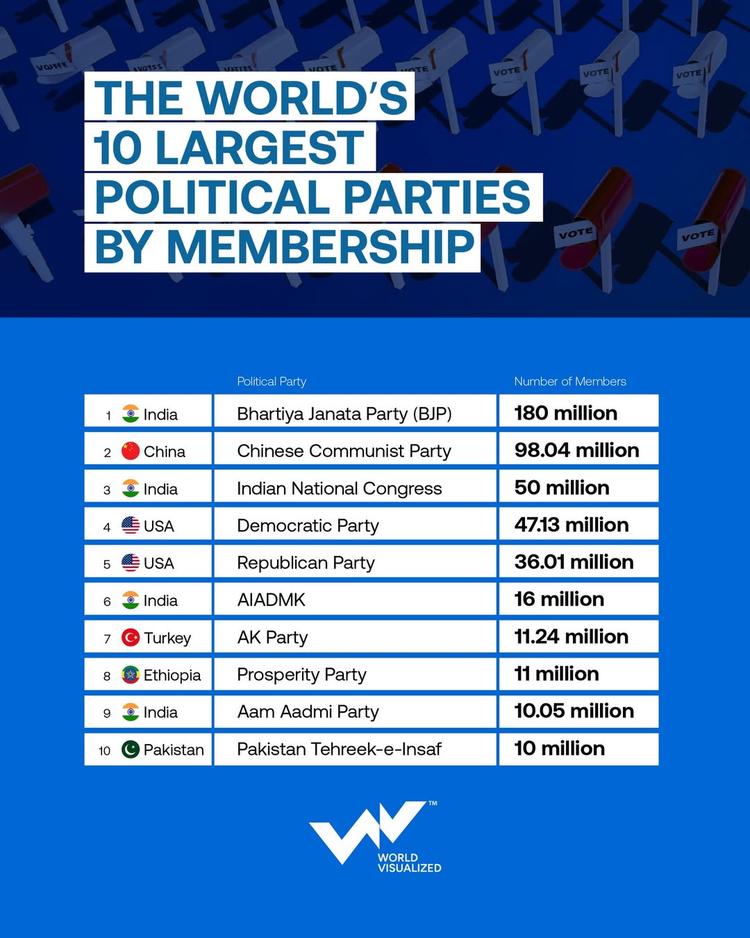
Political parties across the world are amassing unprecedented membership numbers, with India emerging as the clear centre of gravity in global party mobilisation.
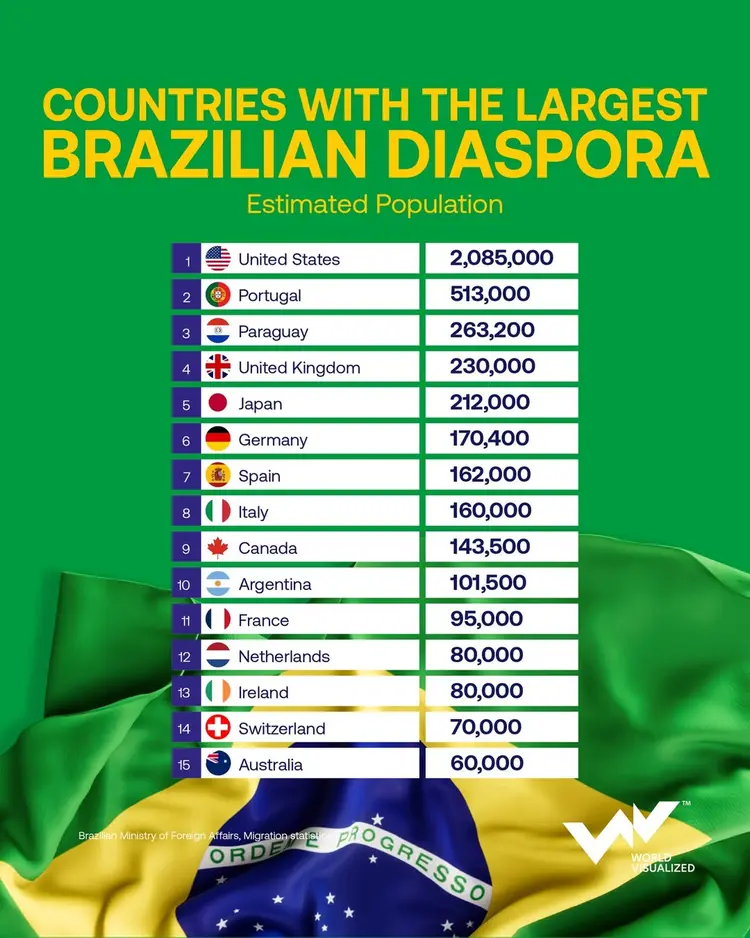
Nearly five million Brazilians are now living abroad, with the United States, Portugal and neighbouring South American countries hosting the largest communities, according to data from Brazil’s Ministry of Foreign Affairs (Itamaraty) and migration statistics compiled in recent years.
India operates the world’s largest school meal programme, providing food support to around 118 million children, according to global data compiled from the United Nations World Food Programme (WFP) and national education authorities.
Air travel across the Middle East faced an unprecedented wave of disruptions between February 28 and March 5, with several major airports recording cancellation rates above 90%, according to aviation analytics firm Cirium.
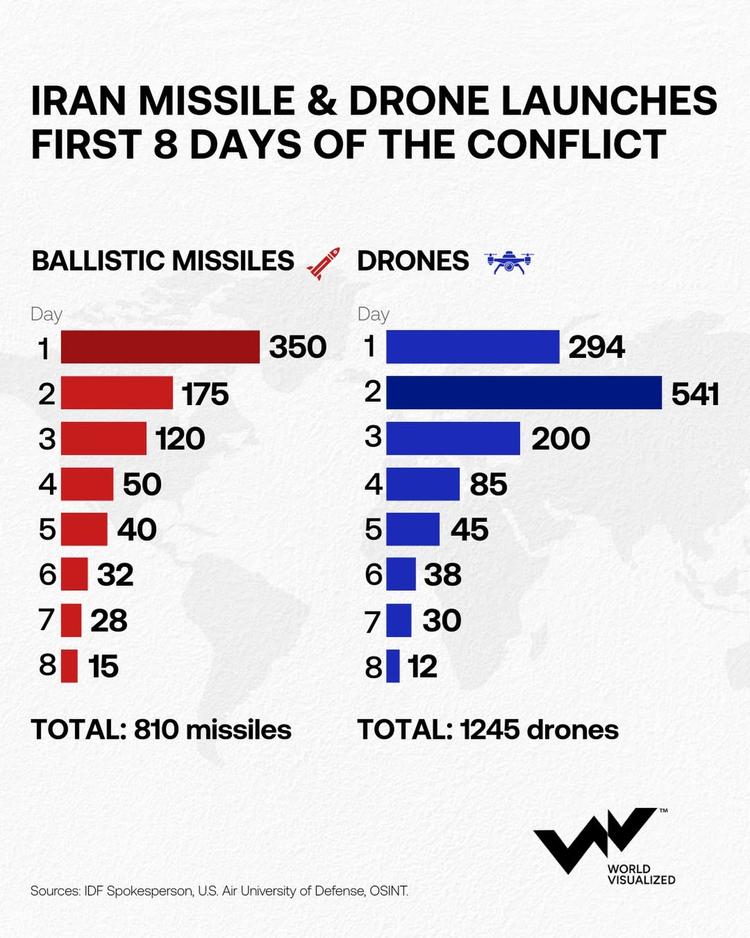
Iran fired hundreds of ballistic missiles and more than a thousand drones during the first eight days of the conflict with the United States and its allies, according to military data compiled from Israeli sources.
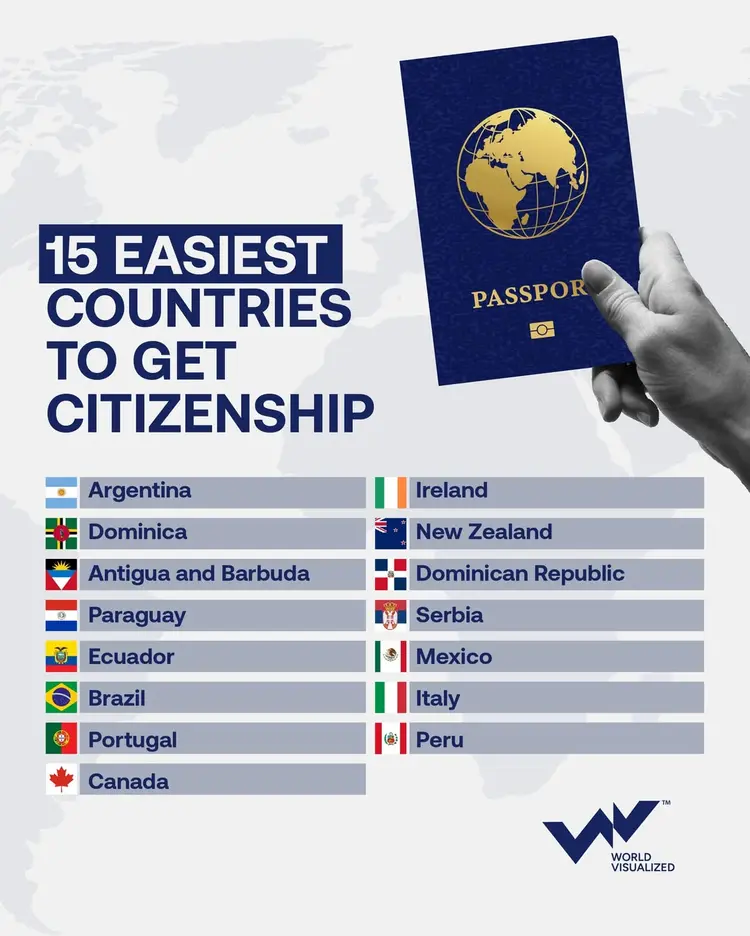
From South America to Europe and the Caribbean, countries are competing to make citizenship more accessible. This trend reflects rising demand for greater travel freedom, economic opportunity and global security amid shifting geopolitical landscapes.
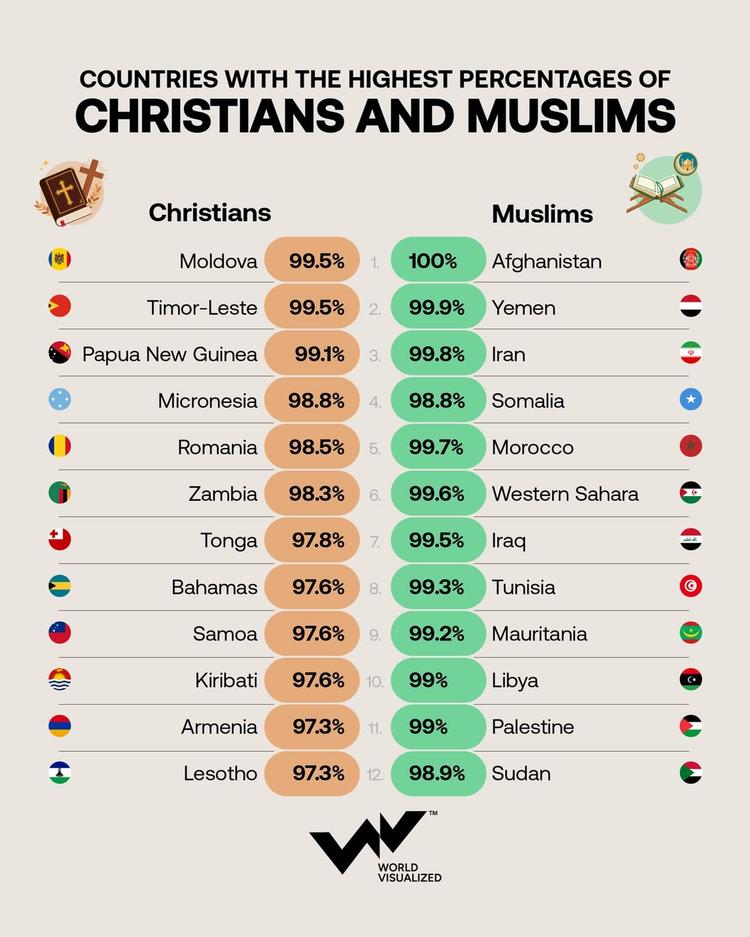
New demographic data highlights just how concentrated religious identity is in some parts of the world. According to figures compiled by World Population Review and the Pew Research Centre, a small number of countries have populations that are overwhelmingly Christian or Muslim, often exceeding 97–99% adherence to a single faith.
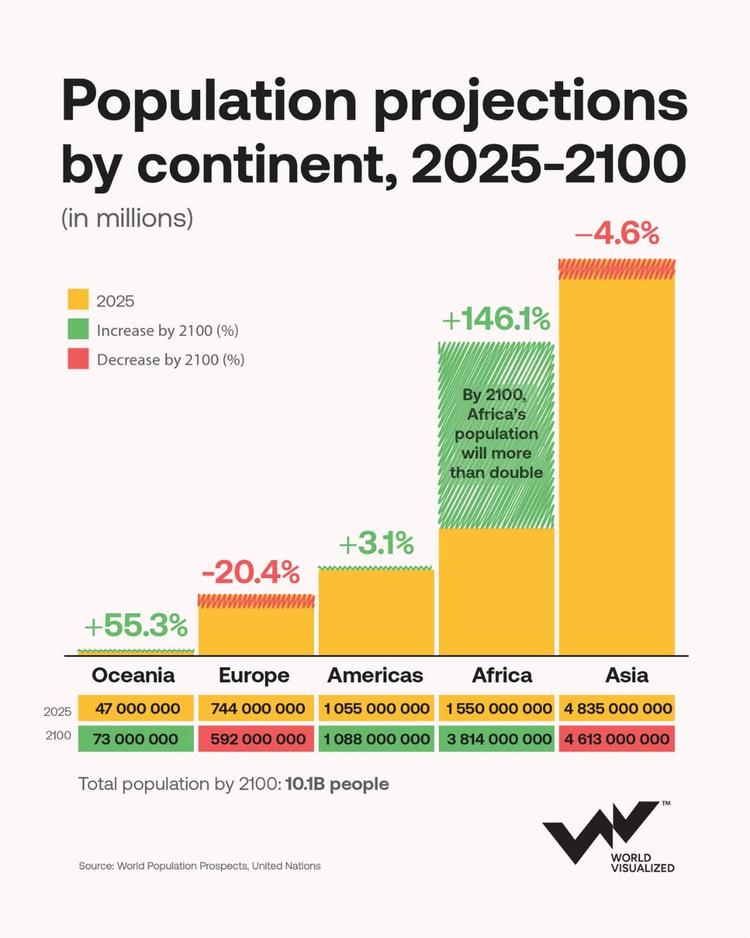
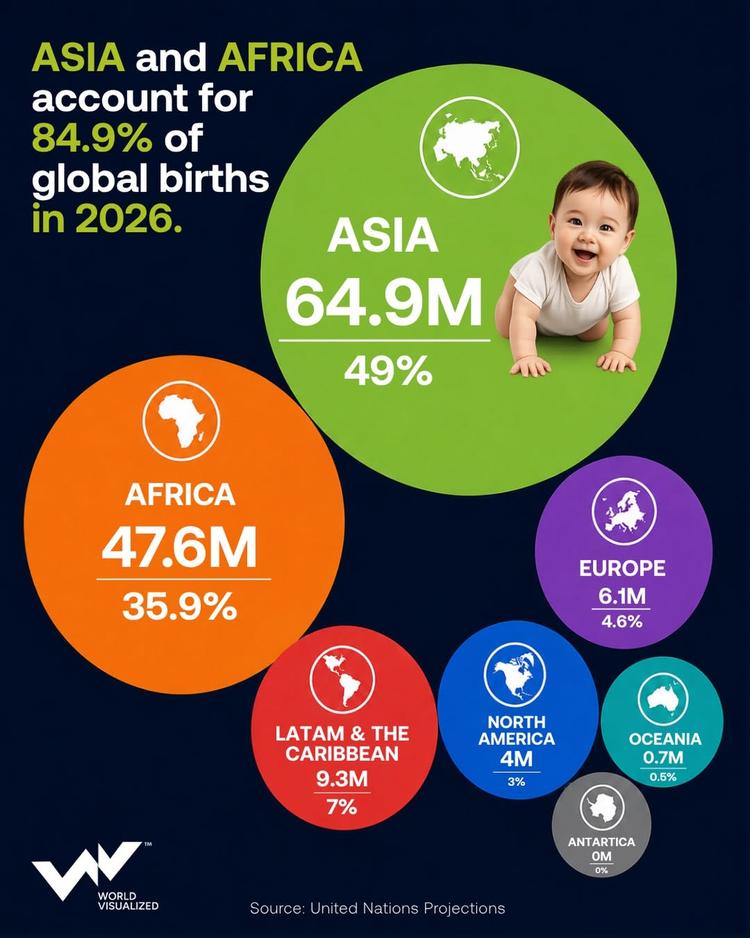
Global population growth is entering a new phase as the United Nations World Population Prospects projects that the world’s population will reach about 10.1 billion people by 2100, with almost all net growth coming from Africa, while Europe and parts of Asia decline.
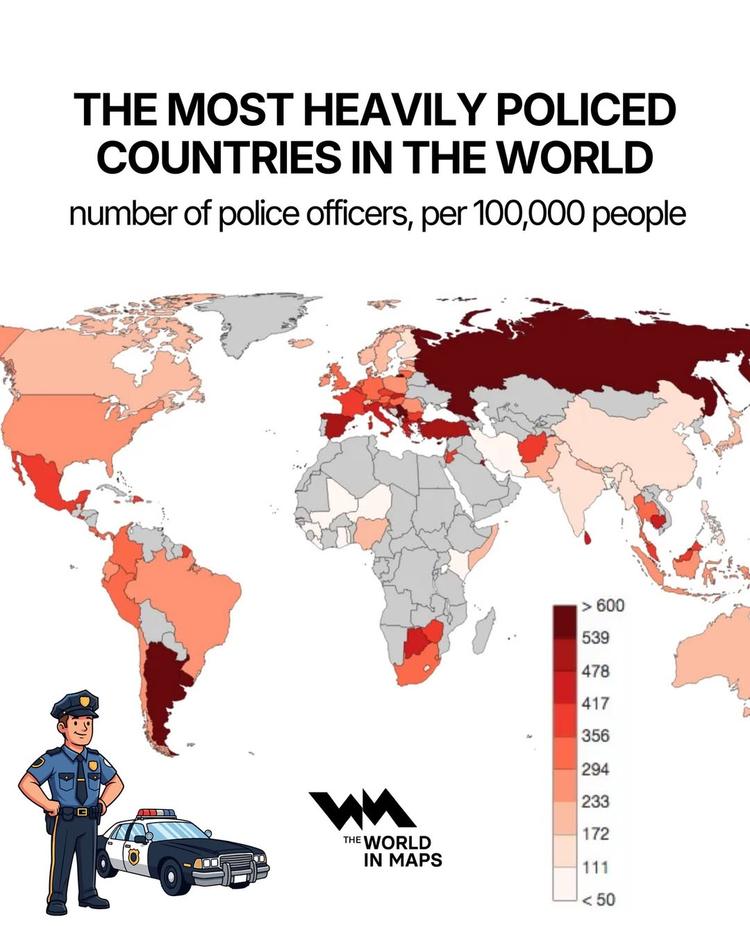
Policing levels vary widely across the world, and the differences say a lot about how governments approach security, control, and public order.