Tag: business
New projections made about Africa’s economic story in 2026 are based on nominal GDP estimates that place a familiar group of countries at the top, but the deeper story lies in why these economies are leading and what it signals about Africa’s future growth path.
From electric vehicles, wind turbines, smartphones, to satellites, rare earth elements are the bedrock of the technologies that define modern life.
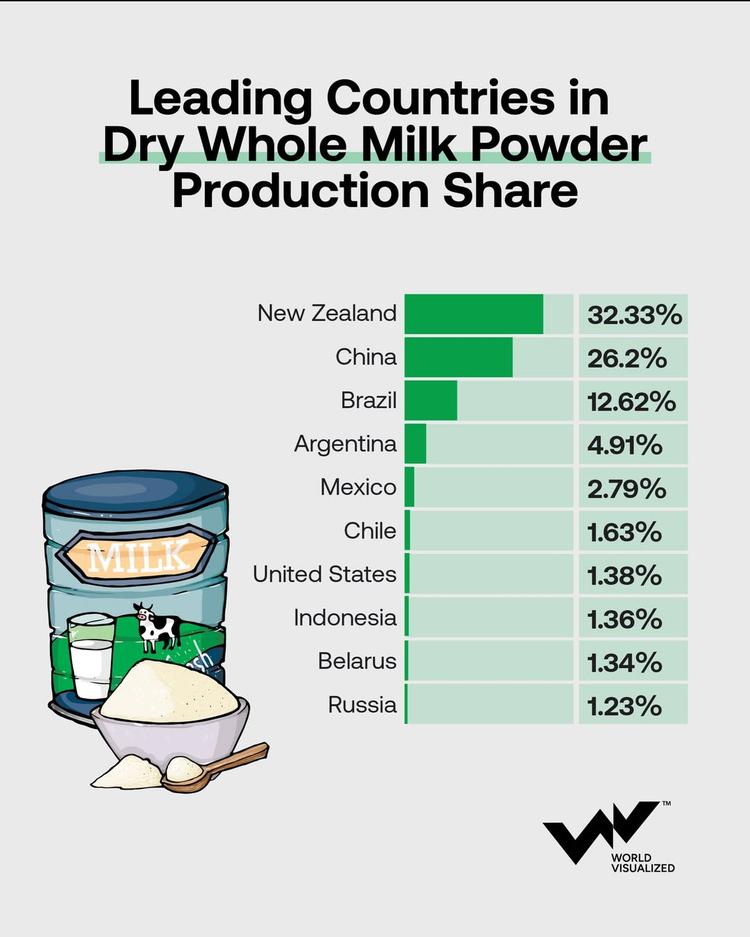
Dry whole milk powder is the foundation for food manufacturing, infant nutrition, and long-life dairy supply chains worldwide.
Based on a nationwide consumer survey conducted between September and October 2025, the latest Impactum Insights Brand Image findings reveal an Indonesian drinking water market shaped by two dominant players, a crowded middle, and a long tail struggling with visibility.
The latest Impactum Insights Brand Image Report shows that Indonesian consumers rely heavily on taste, familiarity, and healthy qualities when deciding what snacks to buy, with no room for overthinking the choice.
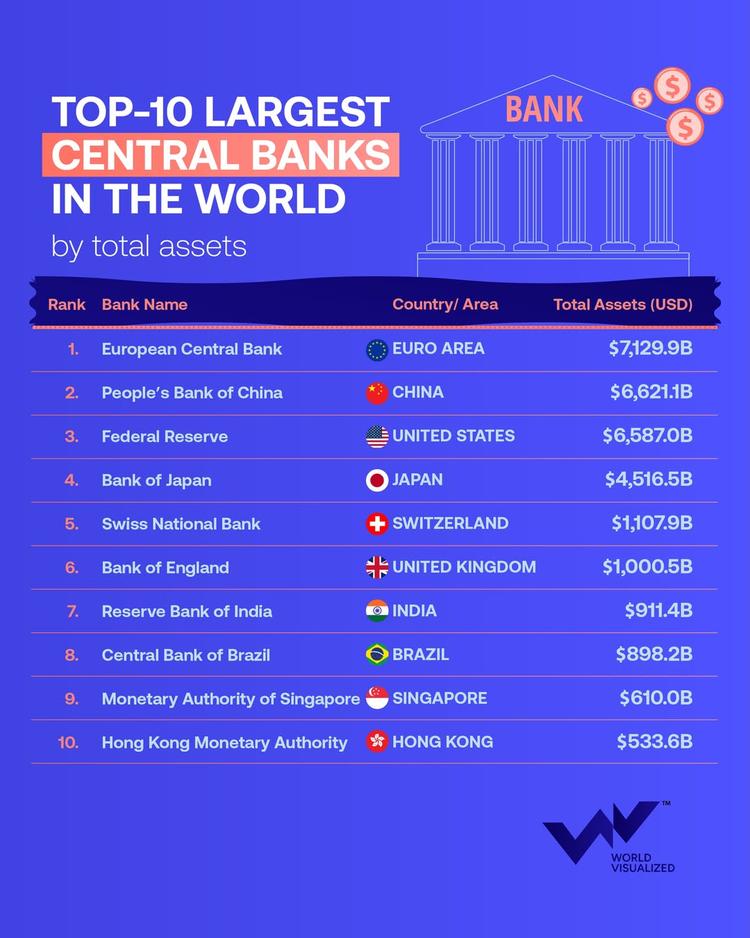
Despite the U.S. dollar’s role as the world’s dominant reserve currency, several national currencies are trading at higher values per unit than the dollar.
The central takeaway from the 2025 Banking Consumer Survey in Indonesia, conducted by Impactum Insights, is that consumer perceptions of banks remain strikingly stable, concentrated, and uneven.
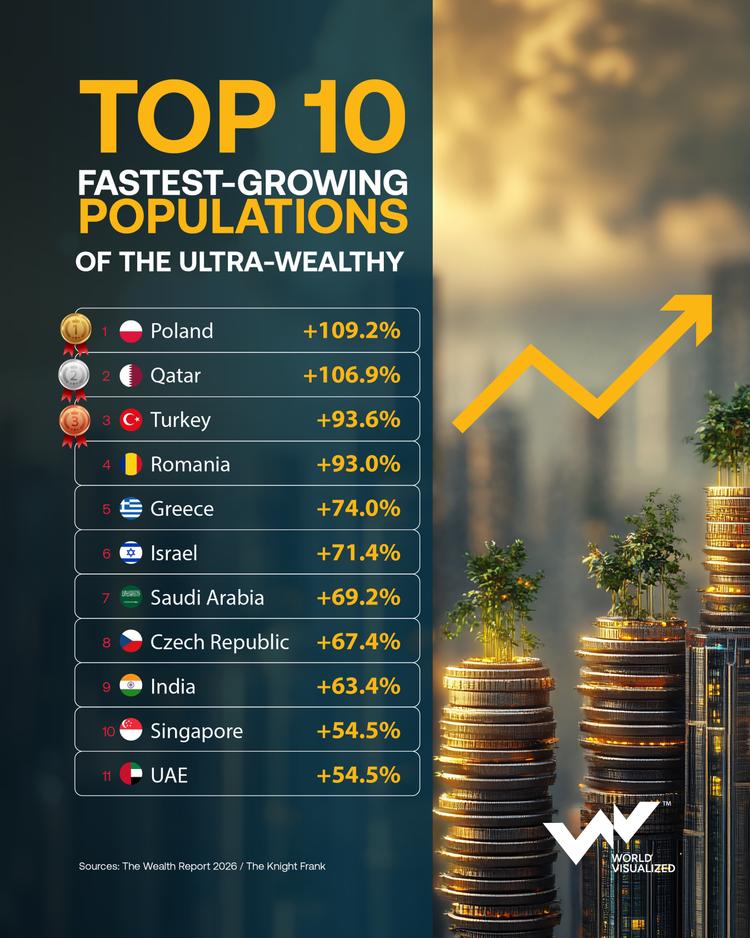
Extreme wealth at the very top continues to surge, and January 2026 confirms what the past few years have made clear: technology remains the dominant engine of global fortunes.
The global economic recovery is set to remain uneven in 2026, with emerging economies driving growth while much of the developed world continues to slow.
The global butter trade may not grab headlines every day, but it’s a big business that grossed US$10.3 billion in 2024, up from US$6.4 billion in 2020.
Cinnamon feels universal. It shows up in kitchens from Accra to Amsterdam, in everything from breakfast oats to festive desserts. But behind that familiar warmth is a global trade that’s far more concentrated than most people realise.
Global demand for vitamins continues to rise, driven by ageing populations, expanding healthcare systems and a growing focus on nutrition and preventative health. New trade data from World’s Top Exports shows which countries are importing the most vitamins by value, and the results highlight clear economic and industrial patterns.
A new ranking of the top 10 supermarket chains in Southeast Asia, based on store count and country presence, highlights how retail dominance in the region is built less on megastores and more on sheer density, convenience and localisation.
Brandy is often associated with old European distilleries, but the global trade tells a very different story today. New export data shows that Mexico has quietly become the world’s largest exporter of brandy by a wide margin.
2025 looks like another year dominated by Big Tech, but available data on the best-performing S&P 500 stocks year-to-date spells a completely different reality.
The Netherlands has emerged as the world’s largest hot chocolate exporter, which accounts for 23.5% of global exports and is valued at approximately $813 million, according to the World’s Top Exports.
Despite persistent cost-of-living pressures, Europeans were expected to spend hundreds of billions of euros on Christmas gifts, underscoring the enduring cultural and economic importance of the festive season across the continent.
Europe, not the United States, is at the centre of the world’s soft drinks export market. Austria and Germany rank first and second globally by export value, each accounting for nearly a tenth of total global soft drink exports.
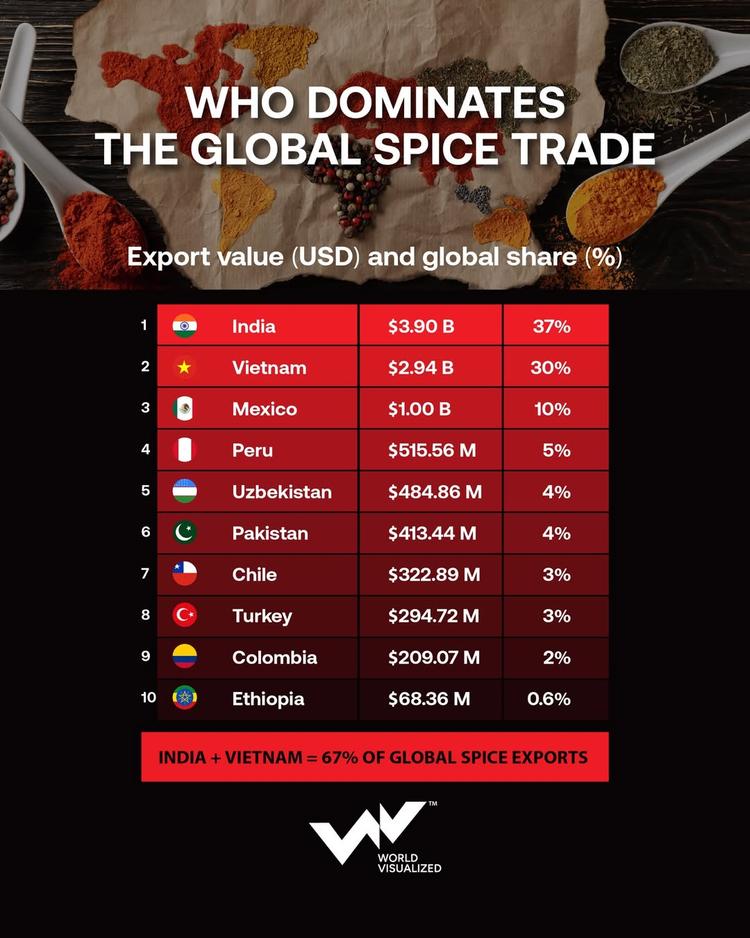
From everyday kitchen staples to luxury culinary ingredients, spices remain one of the most globally traded agricultural commodities, quietly underpinning food systems, cultural exchange, and export revenues across Asia, Africa, and Latin America.
Private markets are generating valuations once reserved for the largest public corporations. From space exploration to artificial intelligence, the top private firms are now economic powerhouses.