


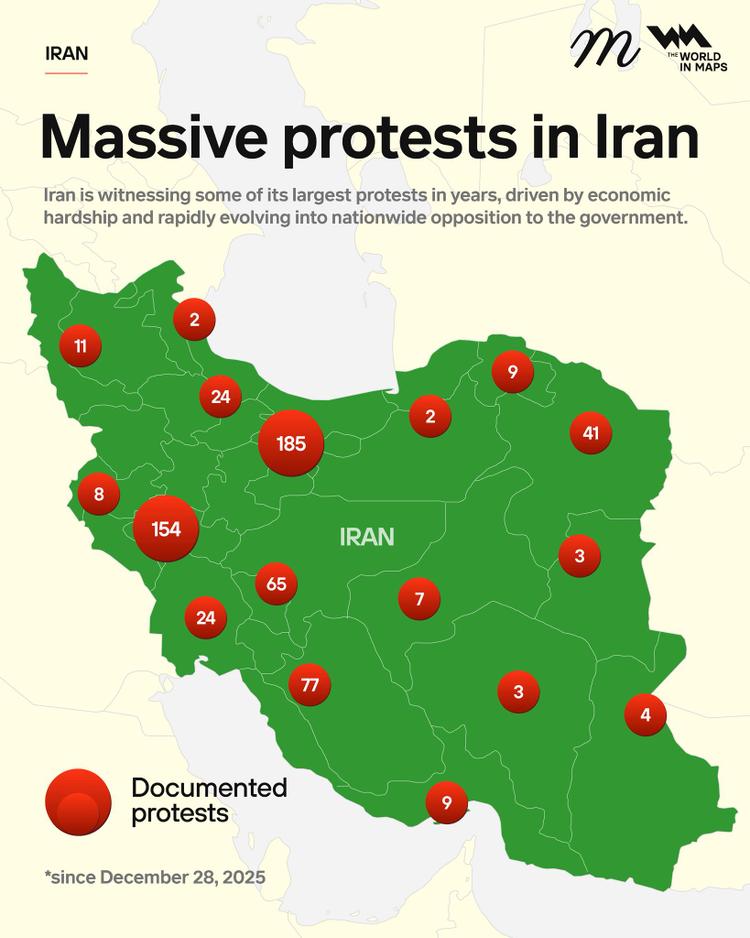
Tag: inflation
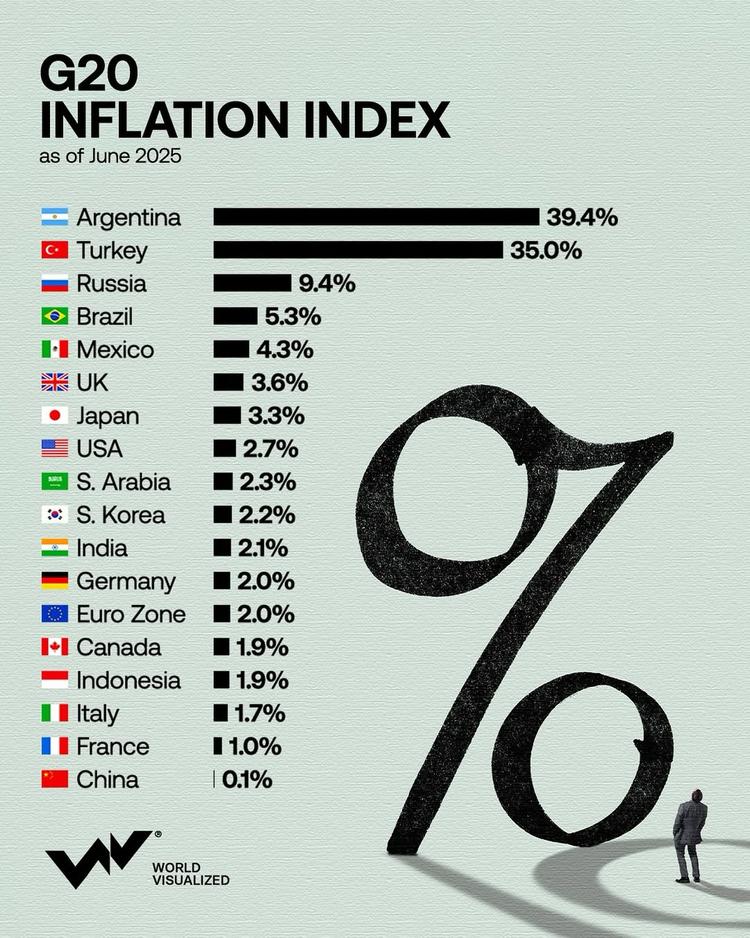
A notable infographic produced by World Visualized for June 2025 shows how widely inflation rates vary among the Group of 20 economies. At one end, Argentina and Turkey continue to experience runaway price growth of around 39.4% and 35% respectively, while China’s inflation rate barely registers at 0.1%.
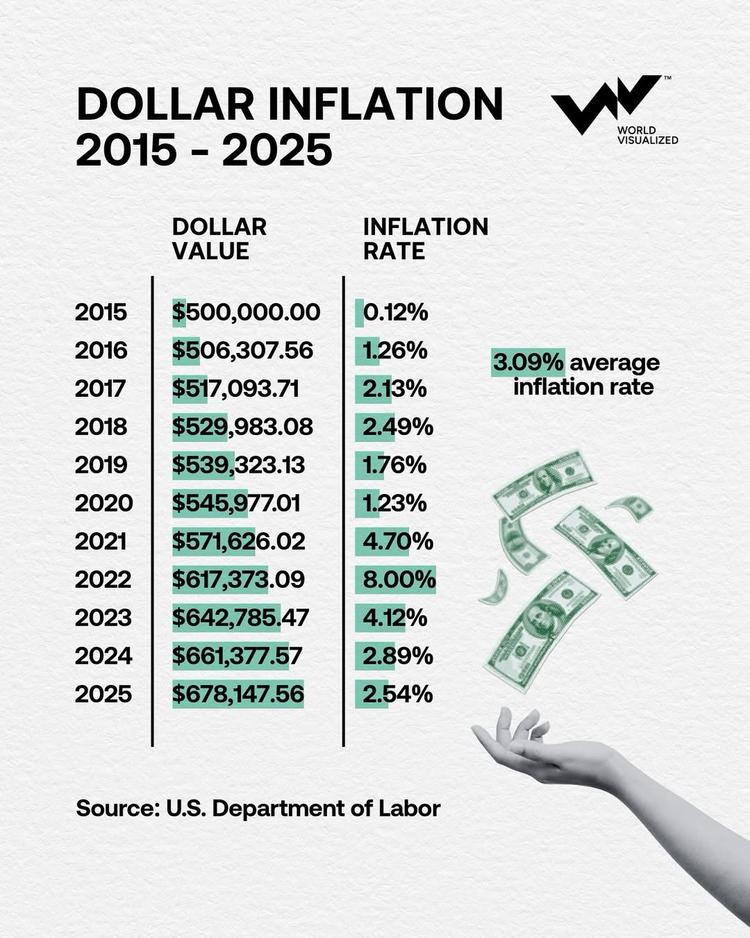
Over the past decade, the U.S. dollar has experienced a steady yet noticeable erosion in purchasing power, with cumulative inflation pushing the nominal value of $500,000 in 2015 to a staggering $678,147.56 by 2025.


The European economy has experienced significant fluctuations in recent years, influenced by factors such as inflation, unemployment, and GDP growth. These economic conditions have a profound impact on average hourly wages across Europe. According to data from Eurostat, the statistical office of the European Union, we can gain valuable insights into the relationship between economic conditions and average hourly wages.
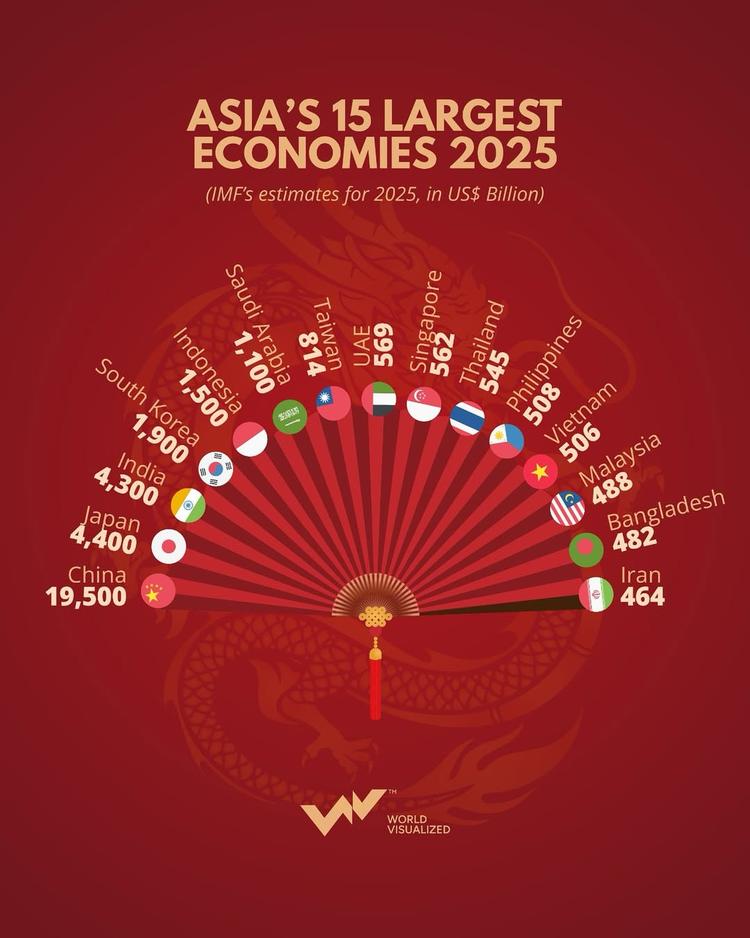
According to the International Monetary Fund (IMF), global growth will be 3.3% in 2025, with Asia expected to be a key growth driver.
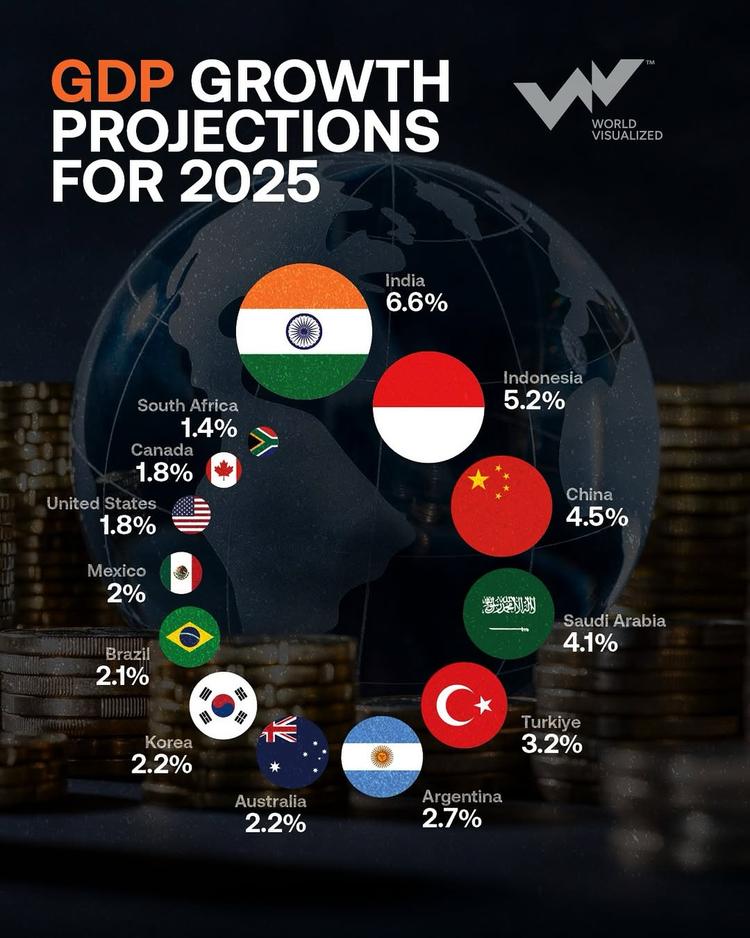
As of December 2024, the Organisation for Economic Co-operation and Development (OECD) released its latest Economic Outlook, projecting global GDP growth to remain resilient despite significant challenges. The global economy is expected to grow by 3.3% in 2025, slightly up from 3.2% in 2024. Inflation within OECD countries is anticipated to ease from 5.4% in 2024 to 3.8% in 2025, supported by a still restrictive monetary policy stance in most countries.
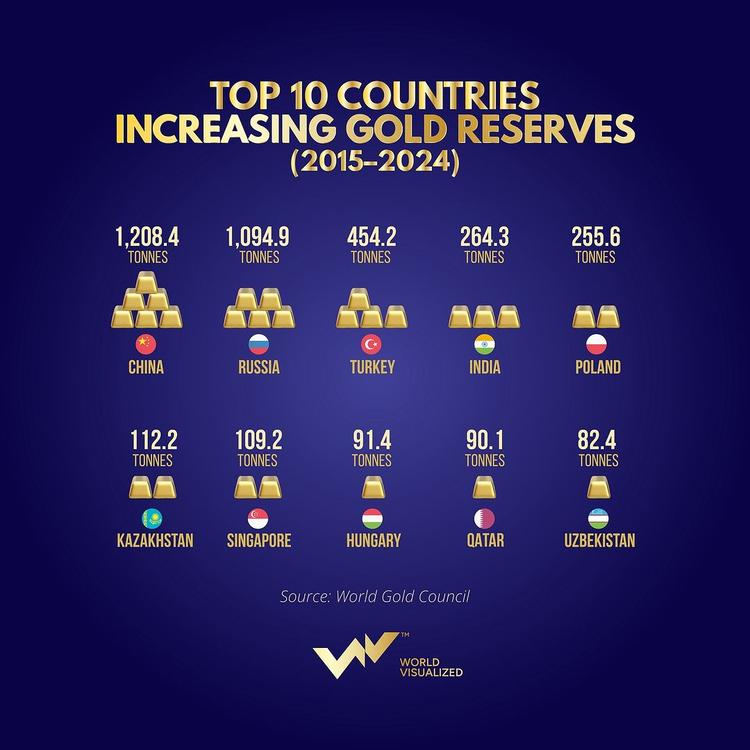
As economic uncertainty and geopolitical tensions intensify, central banks worldwide increasingly turn to gold as a financial safeguard. Gold reserves, seen as a stable and reliable anchor, have become an essential part of the government's strategies to ensure fiscal security. These reserves act as a tangible backstop for national wealth, insulating economies from currency fluctuations and rising inflation.
