Tag: China
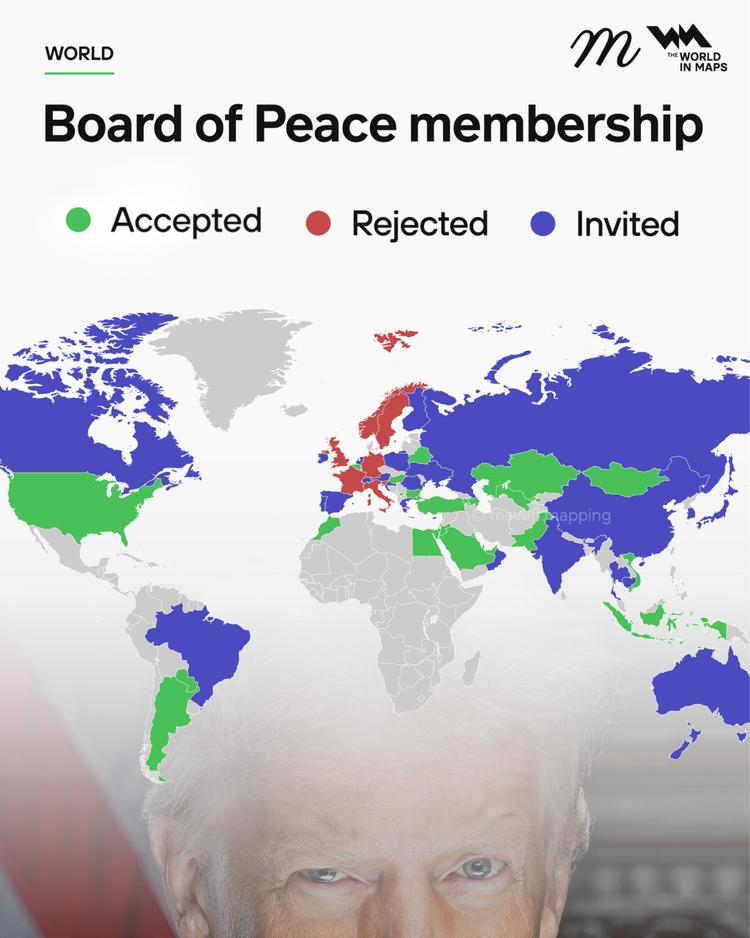
While some countries have accepted or expressed interest in joining Donald Trump’s “Board of Peace”, many traditional US allies have either rejected the proposal outright or declined to participate, raising questions about its credibility and long-term influence.
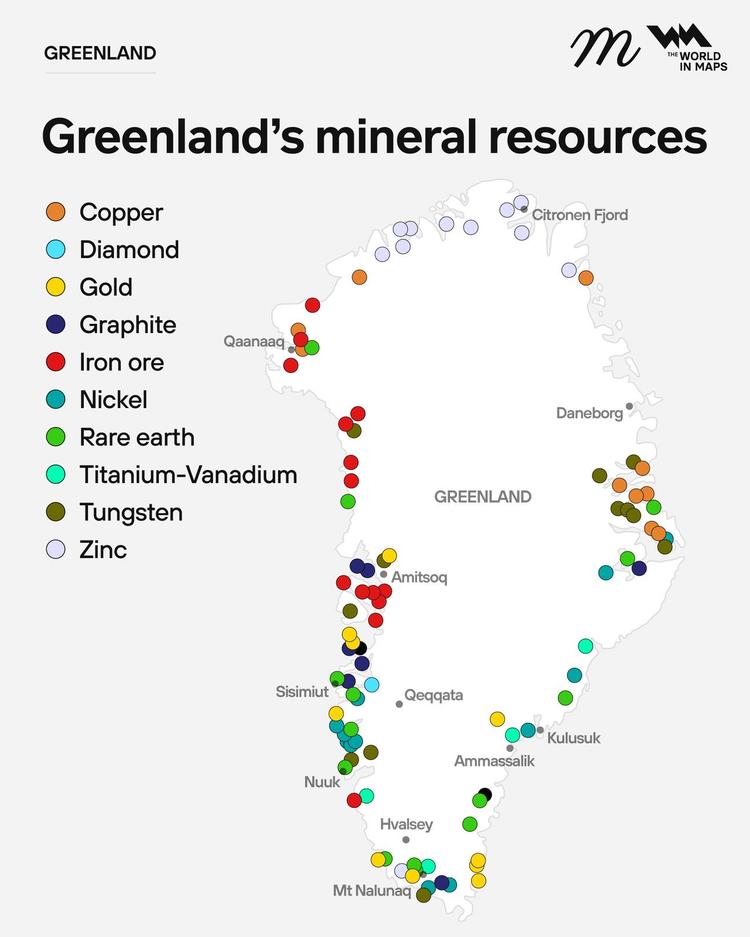
Trump has once again stirred fresh diplomatic tensions in the Arctic as he is pushing for the United States to take control of Greenland.
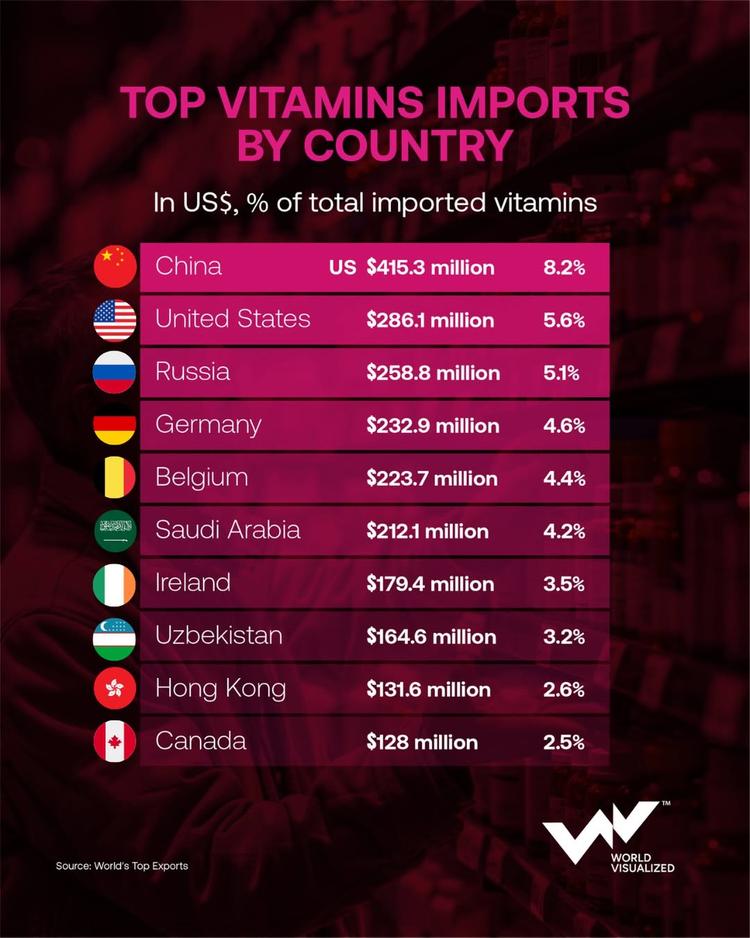
Global demand for vitamins continues to rise, driven by ageing populations, expanding healthcare systems and a growing focus on nutrition and preventative health. New trade data from World’s Top Exports shows which countries are importing the most vitamins by value, and the results highlight clear economic and industrial patterns.
China and the United States were reportedly the largest importers of Venezuelan crude in 2024.
Synthetic wigs rarely make headlines, yet they are becoming one of the clearest signals of how the global beauty trade is shifting. Behind everyday fashion choices sits a tightly connected web of factories, exporters, online marketplaces, and consumers spread across continents.
In some regions, unresolved conflicts are solidifying into prolonged humanitarian emergencies, while in others, long-standing tensions are at risk of flaring up again under political pressure or regional strain.
China and India, home to more than 2.8 billion people combined, are not only economic giants but also central players in Asia’s security landscape.
Qatar’s export landscape is shifting even more firmly toward Asia, with new 2024 data showing China, South Korea and India as the country’s top destinations for goods.
The world’s appetite for apples continues to grow, and at the centre of this fruity boom is China. According to a recent graphic showing the world’s largest apple producers, China alone is estimated to cultivate around 48 million metric tonnes of apples in 2024, by far the largest single-country output.
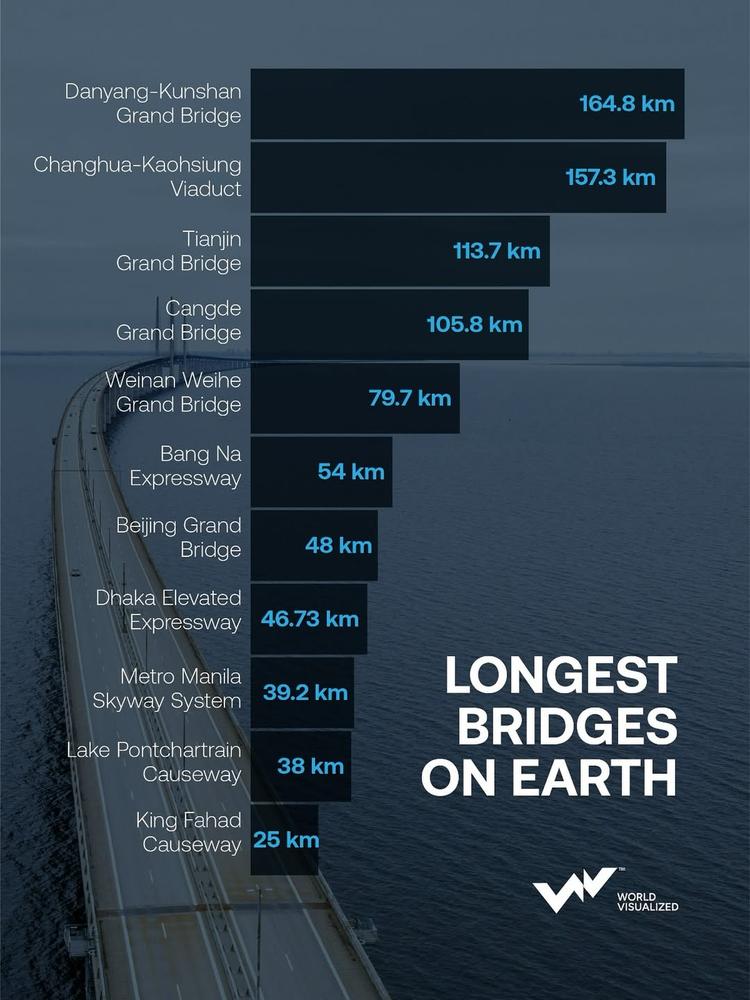
Bridges are more than just concrete and steel, as they are symbols of connection, ambition, and progress. Around the world, engineers have pushed the limits of design to link islands, cities, and entire economies.
Across much of the world, people are having fewer children than ever before. A new visual from World Visualised, using World Bank data, shows a striking pattern: between 2000 and 2023, fertility rates in the ten largest countries have fallen sharply, and in five of them, they’ve dropped below the replacement level of 2.1 births per woman.
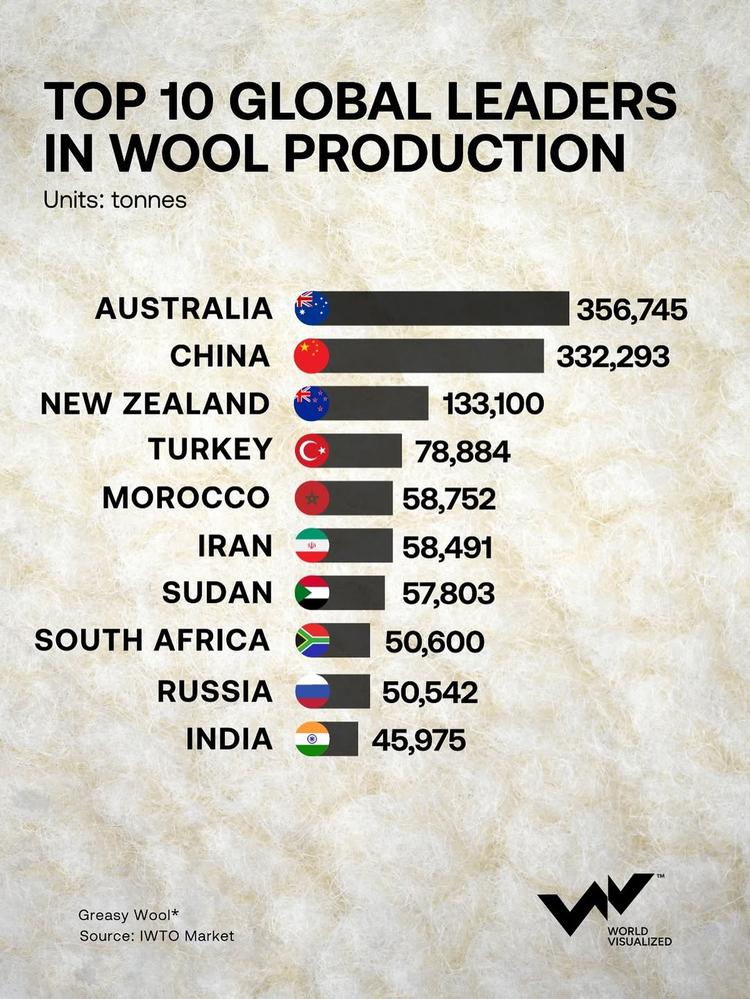
Australia and China remain the world’s top wool producers, according to recent figures from the International Wool Textile Organisation (IWTO). The data shows Australia leading with 356,745 tonnes of greasy wool, closely followed by China at 332,293 tonnes. Together, they account for nearly half of the world’s wool output.
According to new data compiled from the IMF and CIA, the world’s largest economies are also its biggest buyers.
In 2016, Japan dominated the industrial robot export market with a commanding 36% share; fast forward to 2024, and that lead has been substantially eroded. A new export share chart reveals that while Japan remains in first place, its share has fallen to 21.4%.
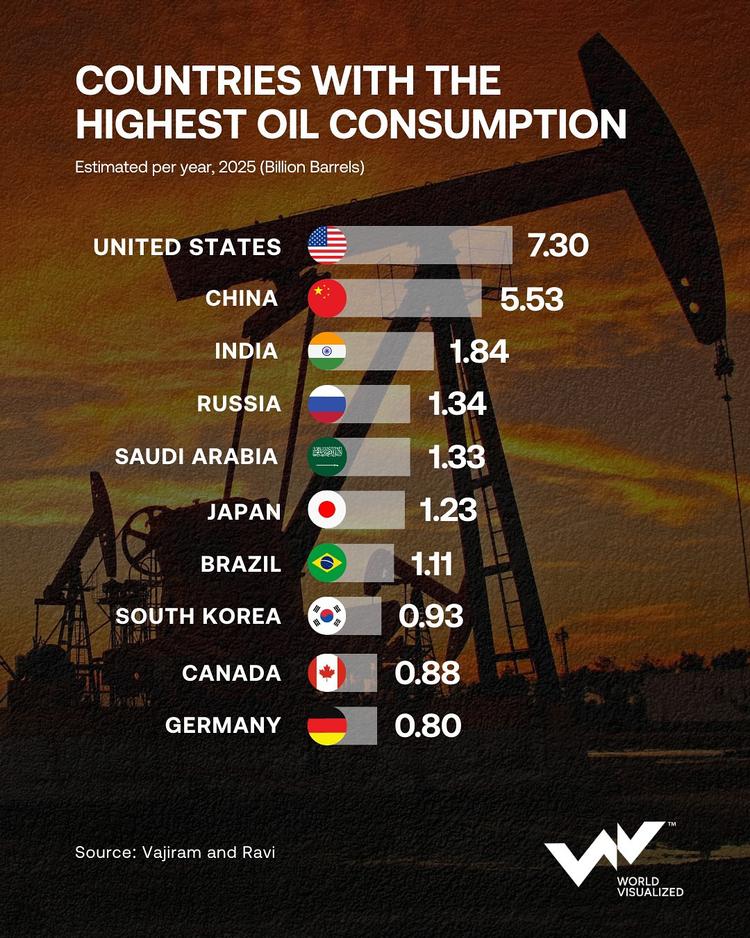
Oil remains the world’s most strategic commodity, and demand is heavily skewed toward a handful of nations. In 2025, the United States still tops the league, burning roughly 7.30 billion barrels of oil a year, while China comes in second at 5.53 billion barrels.
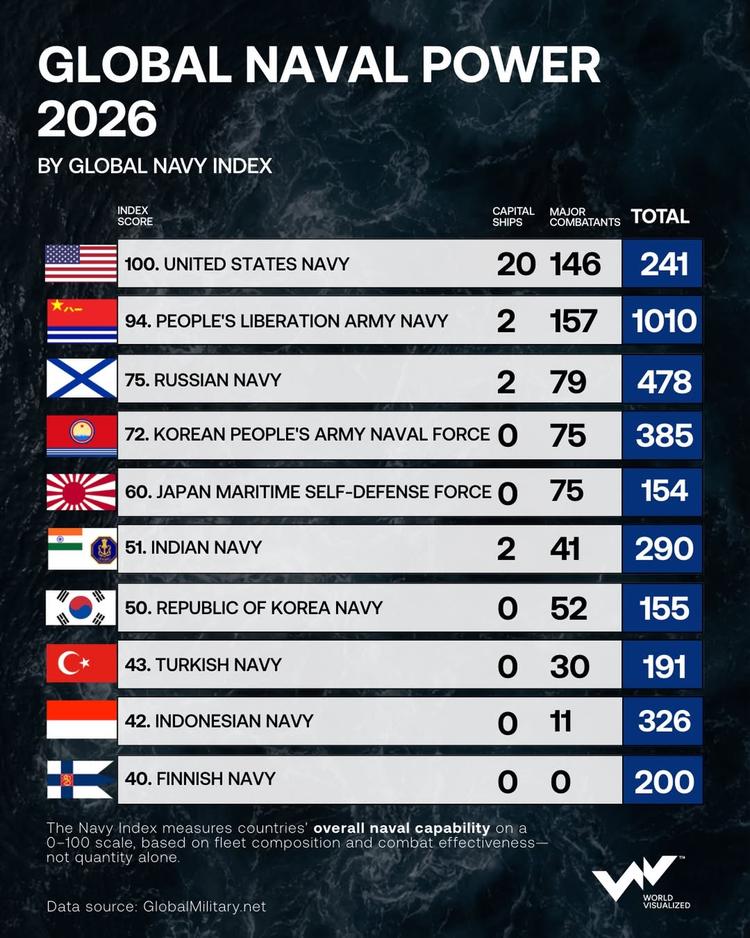
As geopolitical tensions simmer across multiple continents, a new ranking from Global Firepower reveals how conventional military power is concentrated in Asia and Europe in 2025.
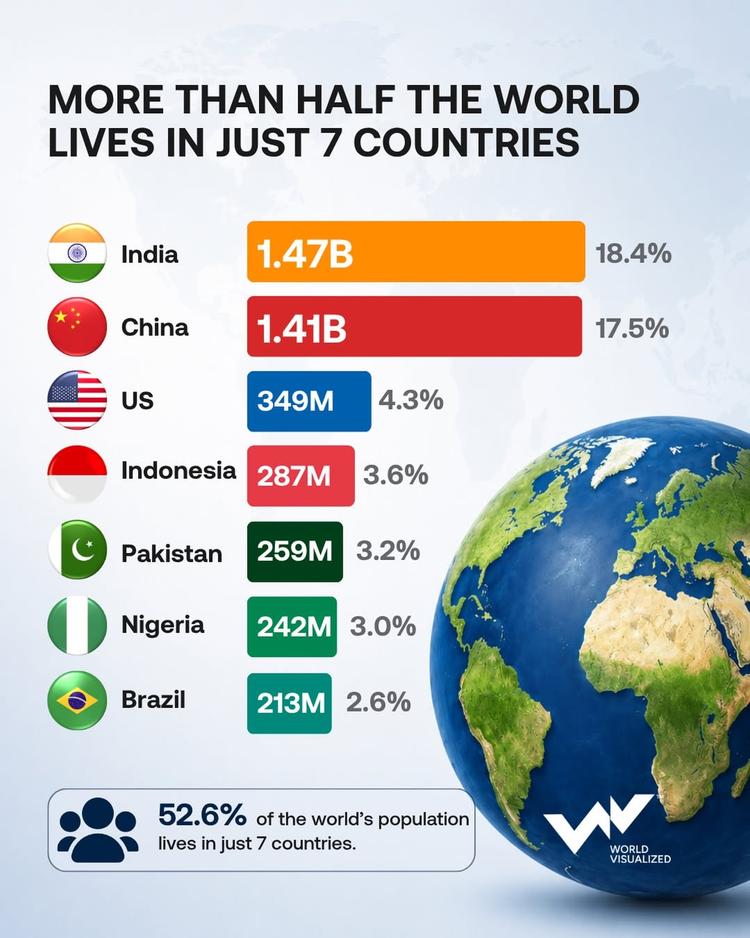
India has officially become the most populous country on Earth, overtaking China with a 17.76% share of the global population, according to Worldometer. China follows closely at 17.72%, while the United States remains a distant third at 4.23%.
China recorded a monthly trade surplus of $103.22 billion in May 2025, according to data supported by market figures from Trading Economics. This figure not only cements China’s dominant position in global exports but also highlights growing disparities in international trade balances.